
What to Actually Expect at Your First Colonoscopy at 45
The recommended starting age dropped to 45. Here is what the prep, procedure, and results actually involve.
Turning 45 now comes with a specific to-do item that catches a lot of people off guard: the recommended starting age for routine colorectal cancer screening was lowered from 50 to 45 by major guideline bodies in recent years. The procedure itself is far less involved than most people expect, though the anticipation often builds it up into something scarier than the reality.
Here's a general overview of what to expect at a first colonoscopy — this is educational information, not medical advice; always follow your own provider's specific instructions for your situation.
Why the recommended age moved to 45
 Photo by Leeloo The First via Pexels
Colorectal cancer rates among adults under 50 have been rising in recent decades, which led the American Cancer Society and the U.S. Preventive Services Task Force to lower the recommended starting age for average-risk adults from 50 to 45. If you have a family history or certain conditions, your doctor may recommend starting even earlier than 45, so it's worth mentioning family history explicitly at a checkup rather than assuming the standard age applies uniformly.
The preparation, which is usually the hardest part
 Photo by RDNE Stock project via Pexels
1. The bowel prep
The day before, you'll follow a clear liquid diet and drink a prescribed prep solution that clears the colon. Most people describe this step, not the procedure itself, as the most unpleasant part — planning to stay near a bathroom is standard advice, and clearing your schedule for that evening specifically tends to make it far less stressful.
2. The procedure itself
You'll receive sedation, so you're unlikely to remember the procedure, which typically takes 30 to 45 minutes. A thin, flexible camera examines the colon lining and can remove polyps in the same session if any are found, avoiding the need for a separate follow-up procedure in most cases.
3. Recovery and driving
Because of the sedation, you'll need someone to drive you home, and most people spend the rest of the day resting before returning to normal activities the next day.
Making the clear liquid diet day more manageable
 Photo by Adonyi Gábor via Pexels
The 24 hours before the procedure typically restrict you to clear liquids only — broth, plain gelatin, clear juices without pulp, and water. Having a specific list of approved options prepared in advance, rather than improvising in the moment, tends to make the day considerably less frustrating. Some people find flavored electrolyte drinks or herbal tea genuinely helpful both for satisfaction and for staying hydrated while the prep solution is doing its work.
Questions worth asking before the day of the procedure
 Photo by RDNE Stock project via Pexels
Beyond the basics, it's worth confirming a few specifics with the scheduling office in advance: whether current medications (particularly blood thinners) need to be paused beforehand, exactly which prep solution you'll be using and when to start it, and what time you should stop eating solid food the day before. Getting clear, written answers ahead of time avoids last-minute confusion on prep day itself, when you're already managing a fairly involved routine.
What results typically mean
 Photo by Engin Akyurt via Pexels
Most first colonoscopies find nothing concerning, in which case the next screening typically isn't needed for another 10 years. If polyps are found and removed, your doctor will usually recommend a shorter follow-up interval, often 3 to 5 years, based on the specific findings — the interval isn't arbitrary, it's calibrated to the type and number of polyps found during your specific procedure.
Alternatives to colonoscopy worth knowing about
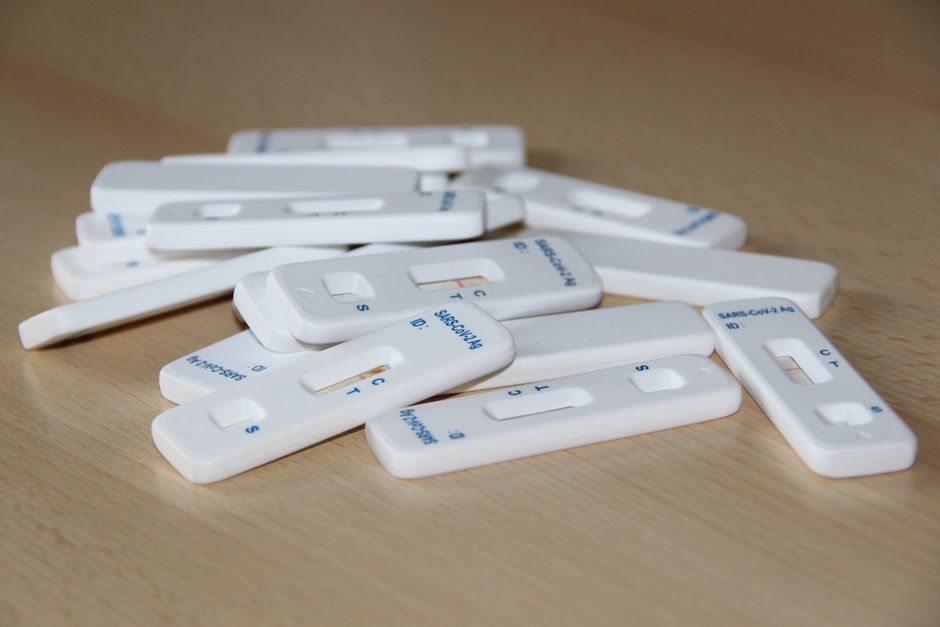 Photo by Alex Koch via Pexels
A colonoscopy isn't the only recognized colorectal screening option, though it's the only one that can both detect and remove polyps in the same visit. Stool-based tests like FIT (fecal immunochemical test) or a combined stool DNA test can be done annually or every three years from home, without sedation or a bowel prep, though a positive result on either still requires a follow-up colonoscopy. Discussing which option fits your preferences, risk level, and family history with a provider is a reasonable conversation, rather than assuming colonoscopy is the only path forward.
Weighing convenience against completeness
Stool-based tests trade the inconvenience of a full bowel prep and sedated procedure for a somewhat less complete picture and a need for more frequent repeat testing. For someone who might otherwise delay or skip screening entirely due to the colonoscopy prep specifically, a stool-based test done consistently on schedule is a genuinely reasonable choice — the best screening option, from a population health standpoint, is generally the one a person will actually complete and repeat on schedule, consistently and reliably over many years, not necessarily the single most sensitive test that's theoretically and hypothetically available on paper to any specific given patient in any specific given year.
Managing anxiety about the procedure itself
Feeling nervous ahead of a first colonoscopy is extremely common, even among people who describe the actual experience afterward as far less difficult than they anticipated. Talking through the specific steps with the scheduling nurse ahead of time, asking directly what the sedation will feel like, and arranging in advance for the ride home and a low-key rest of the day all tend to reduce anticipatory anxiety more effectively than simply trying not to think about it until the appointment arrives.
What the recovery day actually feels like
Most people report feeling mostly back to normal within a few hours of the procedure, once the sedation wears off, though some mild bloating or gas discomfort from the air used during the exam is common and typically resolves within the same day. Light activity, walking around the house, is usually fine and can help move along any residual gas discomfort faster than lying still. Eating a light meal once you're home and cleared to do so, rather than jumping straight into a large or heavy meal, tends to be more comfortable given the digestive system has been empty for over a day at that point.
What to do if a polyp was found and removed
Hearing that a polyp was found can sound alarming, but the vast majority of polyps found during screening are benign growths that, if left alone, might have slowly developed into something concerning over many years — which is precisely why removing them during screening is considered prevention, not treatment of an existing cancer. The pathology report, typically available within one to two weeks, will classify the specific type of polyp found, which is what determines your recommended follow-up interval going forward, rather than the fact that a polyp existed at all, which on its own is a common and expected finding for many people at this age.
Bringing family history into the conversation before scheduling
Before your first appointment, it's worth spending a few minutes gathering whatever family history is available — specifically, whether any first-degree relatives (parents, siblings) had colorectal cancer or significant polyps, and at what age. This single piece of information can change your recommended starting age and screening interval considerably, sometimes by a decade or more, so it's worth confirming with family members directly rather than relying on a vague sense of "I don't think so" going into the conversation, since that uncertainty is exactly the kind of gap a five-minute phone call to a parent or sibling can close before the appointment, well before the scheduling office ever asks the question directly at the intake appointment.
Setting yourself up for the next screening interval
 Photo by Ahmed via Pexels
Whatever interval your doctor recommends after this first screening, whether it's 10 years, 5 years, or 3, it's easy to lose track of over that much time. Setting a calendar reminder immediately after the results conversation, rather than relying on a future doctor's office to proactively track it down, is a simple step that prevents a recommended follow-up from quietly slipping past its window years later.
- Routine colorectal screening now starts at 45 for average-risk adults, down from the previous guideline of 50.
- The bowel prep the day before is generally considered more uncomfortable than the procedure itself.
- A normal result usually means the next screening isn't needed for about 10 years; ask specific prep questions in advance to make the day easier.
Frequently asked questions
Why did the recommended colonoscopy age move to 45?
Rising colorectal cancer rates in adults under 50 led major guideline bodies to lower the average-risk starting age from 50 to 45.
What if the results are normal?
A normal first colonoscopy typically means the next screening isn't needed for about 10 years, per standard guidelines.


