How to Build a Realistic Emergency Fund on a Single Income
Ditch the impossible $10k savings target. Start with a micro-buffer and automated transfers that actually work.
Building a financial cushion when every dollar is already allocated to fixed living costs can feel like an exercise in frustration. Standard personal finance advice often assumes surplus monthly cash flow, recommending three-to-six months of expenses saved immediately, a target that can feel not just distant but actively discouraging when you're living paycheck to paycheck.
When living on a single income or a genuinely tight budget, a realistic emergency fund requires a shift away from aggressive lump-sum targets and toward micro-automation and clear expense categorization.
Redefining your starter emergency goal
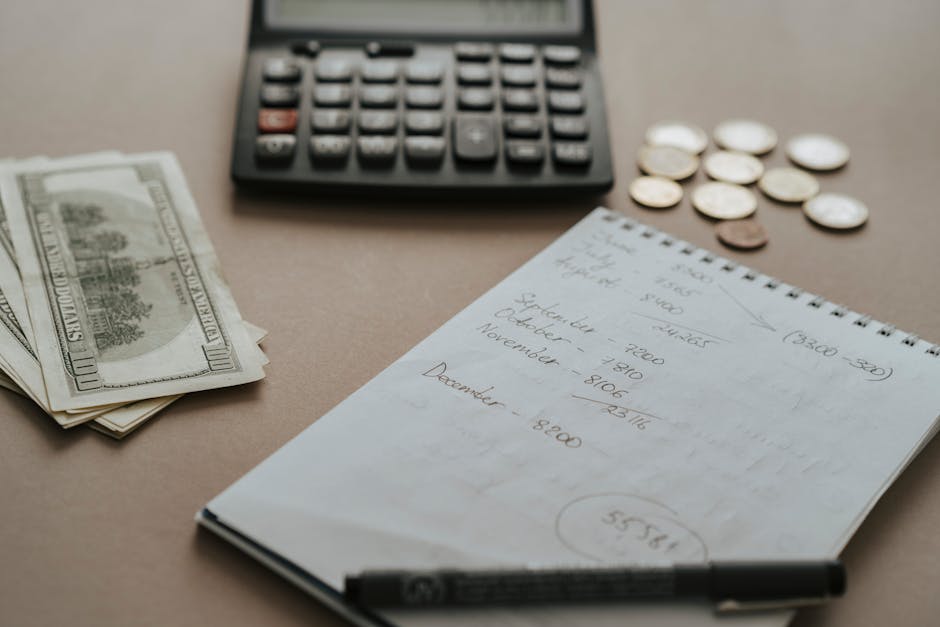
Photo by olia danilevich via Pexels
Targeting $10,000 off the bat can feel discouraging enough that people give up before starting. Start instead with a micro-buffer of $1,000 to $1,500. This baseline covers the vast majority of common minor emergencies:
- Unexpected car repairs or tire replacements.
- Urgent dental or copay expenses.
- Unplanned home appliance maintenance.
- A short gap between jobs or a delayed paycheck.
Having this buffer prevents you from reaching for a high-interest credit card the moment a minor setback occurs, which, over time, is what actually keeps single-income households from building any margin at all, since credit card interest quietly erodes whatever gets paid down.
Three practical rules for building momentum
 Photo by Pixabay via Pexels
1. Automate micro-transfers on payday
Set up an automatic recurring transfer of $25 to $50 on the day your paycheck arrives. Treating savings as a non-negotiable line item, the same way rent or a phone bill is non-negotiable, ensures you save before spending rather than trying to save whatever happens to be left over at month-end, which, for most tight budgets, is nothing.
2. Isolate your fund in a separate bank
Keep your emergency reserve in a high-yield savings account (HYSA) at a separate financial institution from your primary checking account. Adding a 24-to-48-hour transfer delay between accounts reduces impulse withdrawals for things that aren't actually emergencies, while still keeping the money accessible within a day or two when a real one hits.
3. Direct variable windfalls to the fund
Allocate tax refunds, cash gifts, work bonuses, or proceeds from selling unused items directly into your emergency account rather than letting them absorb into everyday spending. Because these amounts aren't part of your regular budget, redirecting them doesn't require cutting anything you're currently relying on.
Defining a true emergency
 Photo by https://kaboompics.com/ via Pexels
Establish clear boundaries before you ever need to spend from the fund. A true emergency is unplanned, necessary, and urgent, all three, not just one. An annual subscription renewal or seasonal holiday shopping is a predictable expense, however inconvenient, not an emergency, and pulling from the fund for predictable costs defeats its purpose.
A simple three-question test
Before withdrawing, ask: Did I know this was coming? Is it necessary, not just desirable? Does it need to be paid immediately, not next month? If the answer to all three is yes, it's a legitimate draw. If any answer is no, it likely belongs in a different budget category, even if that category doesn't exist yet.
What to do once you hit the starter goal
 Photo by Suzy Hazelwood via Pexels
Reaching $1,000 to $1,500 doesn't mean the work is done, it means the most urgent phase is. From there, the standard three-to-six-months target becomes a much more reasonable next milestone, since you're no longer building from zero under pressure. Keep the same automated transfer running rather than redirecting that money elsewhere the moment the starter goal is hit; the habit is more valuable long-term than the initial number.
Staying consistent when income is genuinely variable
 Photo by https://kaboompics.com/ via Pexels
If your income fluctuates month to month, rather than aiming for a fixed dollar transfer, set a fixed percentage of whatever comes in, even 2 to 3% during lean months keeps the habit alive without creating pressure you can't sustain. Consistency across a full year matters more than the size of any single transfer.
Finding the first $25 to $50 without a budget overhaul
Photo by olia danilevich via Pexels
Committing to a starter transfer can feel impossible when the budget already feels maxed out, but the amount rarely needs to come from a dramatic lifestyle change. Look first at recurring subscriptions that renewed automatically without much thought, a streaming service watched twice a month, an app trial that quietly became a paid plan. Canceling even one or two of these often covers the entire starter transfer without touching groceries, transportation, or anything that affects daily life.
The one-week spending audit
Track every purchase for a single week, without judgment, then sort them into "planned" and "impulse." Small purchases rarely register as a pattern until they're written down together in one place, and that list is usually where the first transfer comes from.
What to do when an actual emergency empties the fund
 Photo by https://kaboompics.com/ via Pexels
Using the fund as intended, for a genuine emergency, isn't a setback, it's the fund doing its job. The moment it's used, restart the same automated transfer immediately rather than waiting for a "better time" to resume saving. Rebuilding from a partially funded starting point is considerably faster than the original build from zero, and treating a drawdown as a normal, expected part of the cycle, rather than a failure, keeps the habit from collapsing after the first real test.
- Start with a $1,000 to $1,500 starter buffer before targeting three to six months of living costs.
- Automate savings transfers on payday so money moves before you can spend it.
- Keep funds in a separate HYSA and use a strict three-question test to define a genuine emergency.
Handling irregular income or gig work specifically
For income that's not just variable but genuinely unpredictable week to week, freelance, gig, or commission-based work, the emergency fund plays a slightly different role: it also has to absorb the normal gaps between paychecks, not just true emergencies. In this situation, a slightly larger starter target, closer to $2,000 to $2,500, is reasonable, since a portion of it may need to cover a slow month rather than a one-time shock. Track your lowest-earning month over the past year as a baseline, and size the fund around covering the gap between that month's income and your fixed expenses, rather than around a generic recommendation built for salaried income.
A note on using windfalls versus building the habit
It's tempting to treat a single large windfall, a tax refund, an inheritance, a bonus, as the whole solution, funding the emergency fund in one transfer and considering the project finished. That covers the balance, but it skips building the underlying habit of ongoing, automated saving, which is what actually protects the fund over time. A fund built entirely from a one-time windfall, with no ongoing contribution habit behind it, tends to get slowly spent down over the following year with nothing replacing it. Pair any windfall with starting the automated transfer, not instead of it.
Revisiting the target as your income changes
A starter fund sized for today's budget won't automatically scale if your income or expenses shift significantly, a new apartment, a new dependent, or a raise all change what "three to six months of expenses" actually means in dollars. Revisit the target once or twice a year, particularly after any major change to fixed costs, and adjust the automated transfer amount accordingly rather than letting it run unchanged indefinitely on a number calculated years earlier. A five-minute review, twice a year, is enough to keep the fund actually matched to the life it's meant to protect, rather than a number that made sense once and was never reconsidered.
Frequently asked questions
How much should my starter emergency fund be?
Aim for $1,000 to $1,500 first to cover immediate minor emergencies like car repairs.
Where should I keep my emergency money?
In a separate High-Yield Savings Account (HYSA) at a different bank from your daily checking.


