The exact questions to ask a tailor before you pay for alterations
Most bad alterations start with a vague request. These are the questions and phrases that tell a tailor exactly what you want before anything is cut.
Most alteration disappointments aren't sewing mistakes. They happen at the counter, in the two minutes where you describe what you want in loose terms and the tailor fills the gaps with their own idea of "fixed." A request like "can you make this fit better?" hands over a dozen decisions you never weighed in on: how short is short, where the extra fabric comes out, whether the pockets move, whether the hem looks factory-made or homemade. The questions and phrases below close those gaps before you pay.
Set up the fitting before you say a word
Photo by Pavel Danilyuk via Pexels
A tailor can only pin what they can see. Trousers pinned while you stand in socks and then worn with heels will come out exactly as pinned and still look wrong. Bring the shoes you'll actually wear with the item, and if you'll wear it with two heel heights, decide which one wins before you arrive, because one hem can't be perfect for both.
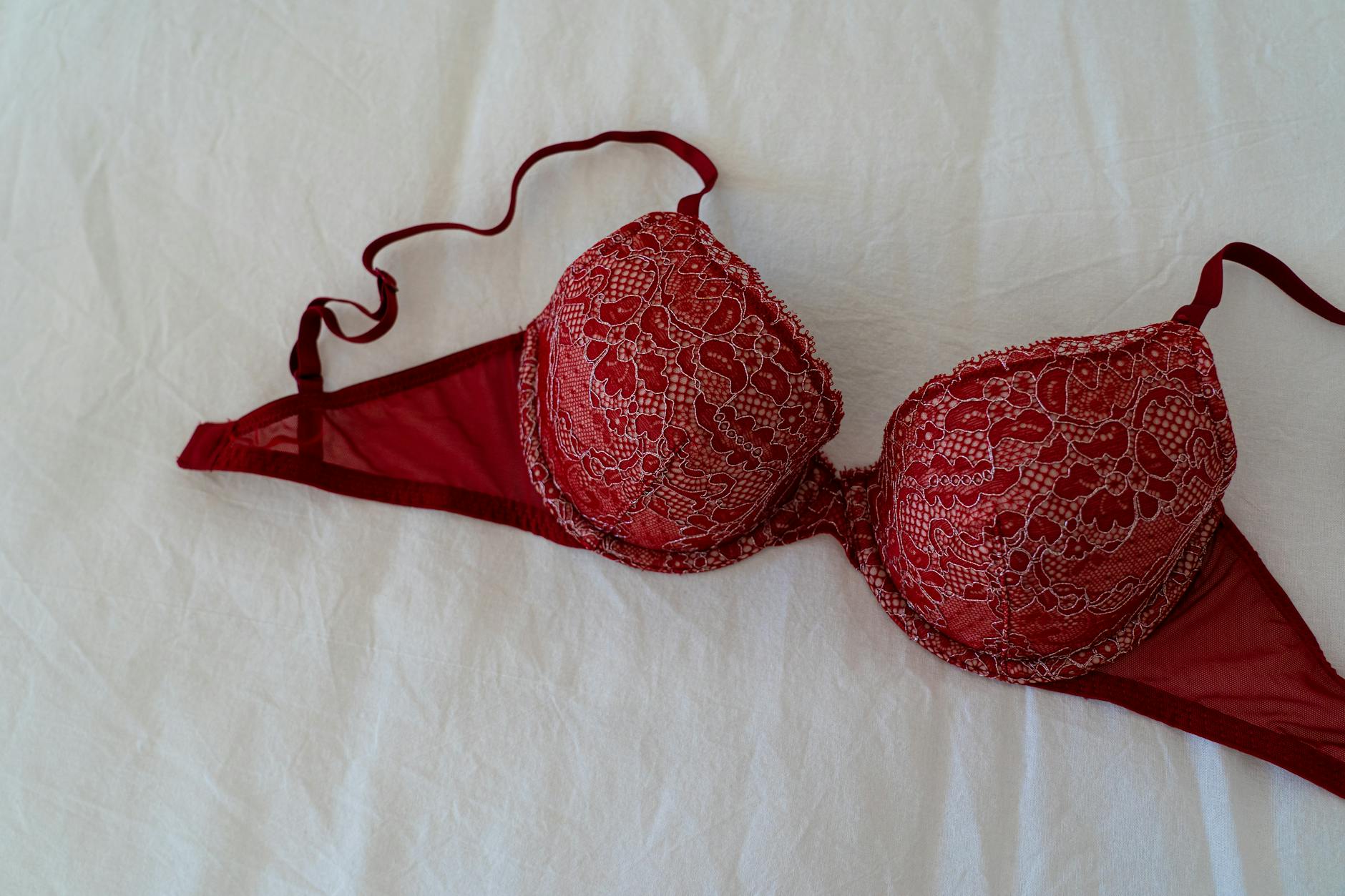
The same goes for what's underneath. A fitted dress pinned over one bra and worn over another can pull or gape in different places, so wear the undergarments you plan to wear with it. Bring the garment clean, and if it's cotton or linen that you'll wash warm or put in the dryer, ask before anything is cut: "Should I wash this first, or will you leave room for shrinkage?"
Finally, stand the way you normally stand while you're being pinned. Pulling your shoulders back and sucking in for the mirror produces a fit for a posture you won't hold all day.
Ask whether the job is worth doing at all
Before discussing how, ask the question most people skip: "If this were yours, would you alter it, or is it not worth it?" A good tailor will tell you when a job is going to cost more than the garment is worth to you, or when the result will only be a partial fix. That answer is worth more than any single alteration.
Some fixes are routinely straightforward: hemming, tapering a trouser leg, taking in a waist, shortening straps. Others are major surgery with uncertain results, and the big one is shoulders on a structured jacket or coat. If the shoulder seams sit past your shoulders, ask directly: "Can you fix the shoulders, and what will the result look like compared to a jacket that fits there already?" If the answer is vague, treat it as a no and put the money toward something that fits in the shoulders off the rack.
Ask where the fabric is coming from
 Photo by Los Muertos Crew via Pexels
"Take it in" and "let it out" are incomplete instructions. The fabric has to come from, or go back into, a specific seam, and that choice decides what else changes. The question to ask is: "Which seam will you take this from, and what will that do to the pockets?"
On trousers and jeans, taking in the waist at the center back seam keeps the side seams and front pockets where they are, but taken too far it can pull the back pockets closer together. Taking it in at the side seams can distort side pockets. Neither is wrong; you just want to hear which one is planned. If pocket placement matters to you, say it plainly: "Please take in the waist without moving the pockets. If that isn't possible, tell me before you start."
Letting out has a hard limit: the seam allowance, the strip of extra fabric folded inside each seam. Ask: "Is there enough seam allowance to let this out, and will the old stitch line show?" On some fabrics, including denim, leather and some shiny synthetics, the old needle holes or a faded line can stay visible after a seam is let out. You want to know that before the work, not discover it at pickup.
For dresses, ask how a take-in affects the zipper, the lining and any darts. "Will the lining be altered too?" is a fair question on any lined garment, because a lining left at the old size can bunch or pull under the shell.
The exact wording for hems
Hems look like the simplest job and are the easiest to get slightly wrong, because "shorter" isn't a measurement.
For trousers, describe the break, the fold where the hem meets the top of your shoe. "No break" means the hem just grazes the shoe. "Slight break" means one soft fold at the front. "Full break" means a deeper fold. Saying "I want a slight break with these shoes" gives the tailor something they can pin against. For wide-leg or flared trousers, the question is different: "How far off the floor will this sit in these shoes?" The usual target is close to the floor without the hem dragging or catching your heel.
For jeans, ask: "Can you keep the original hem?" This technique shortens the leg while reattaching the factory hem, so the faded edge and heavy stitching survive. Not every shop offers it, and it's worth asking for by name, because a standard hem on jeans often looks noticeably different from the rest of the denim. If you're also tapering the leg, add: "Taper from the knee down only," or say exactly where you want it to start. Tapering from the thigh changes how jeans sit through the seat.
For dresses and skirts, stand still while the hem is pinned and ask the tailor to check it from the side as well as the front, since a hem can look level from the front while dipping at the back. If the skirt has a slit, ask whether shortening will change the slit's length.
- Bring the shoes and undergarments you'll wear, and stand the way you normally stand.
- Ask which seam the fabric will come from and what that does to the pockets, lining and zipper.
- Describe hems with terms the tailor can pin against: the break, the distance off the floor, or "keep the original hem."
The exact wording for jackets and sleeves
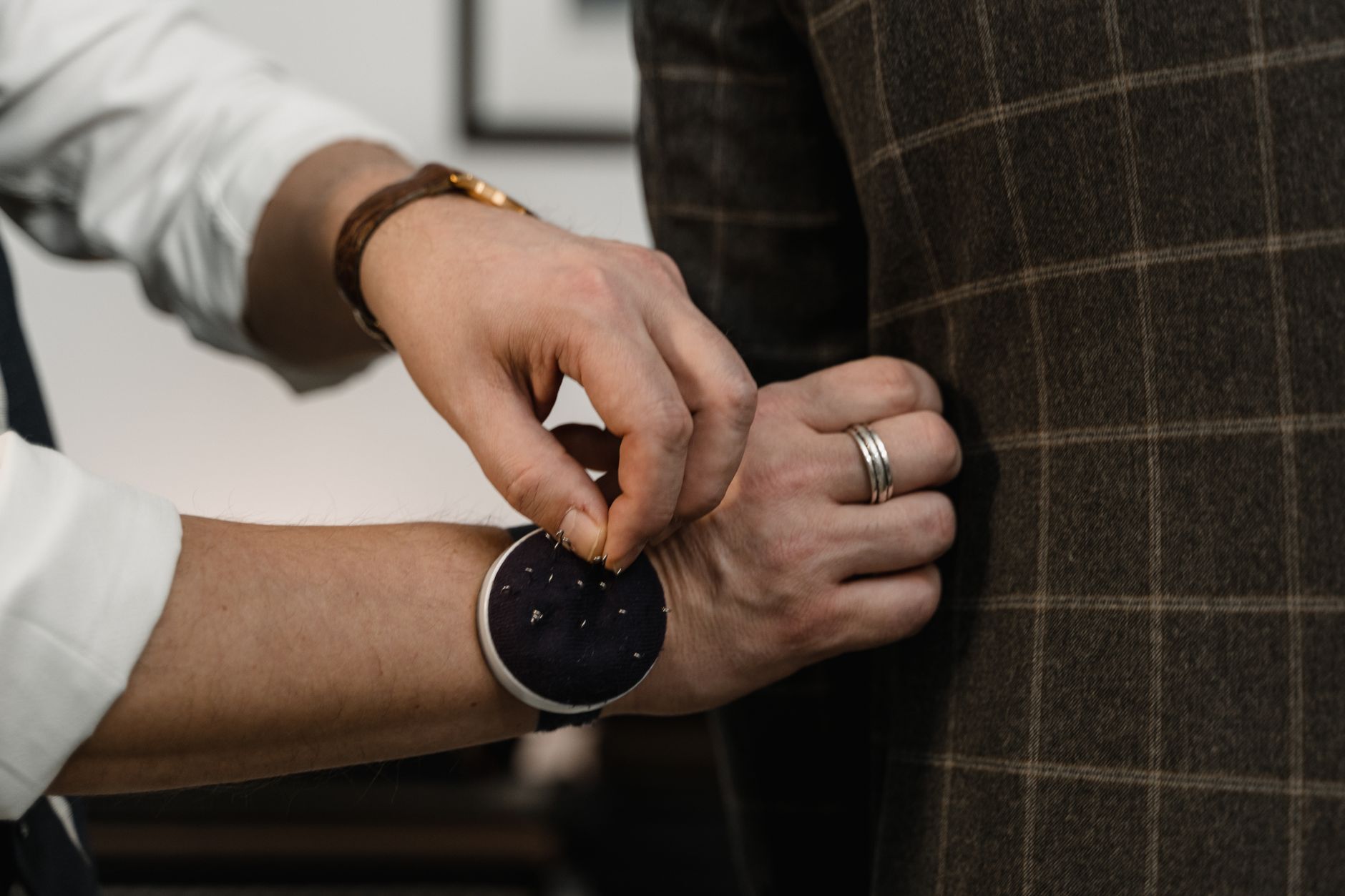 Photo by Tima Miroshnichenko via Pexels
For sleeve length, ask: "Will you shorten from the cuff or from the shoulder?" Shortening from the cuff is the simpler job. But if the cuff has working buttonholes, ones that actually open, there's no room to move them, so the sleeve may have to be shortened from the shoulder, which is a larger and more involved job. Ask about this before agreeing to a price for "sleeves."
Then say how much cuff you want, not just "shorter." "I want the sleeve to end at my wrist bone with my arms relaxed" is something that can be pinned. Check it with your arms hanging naturally and again with them bent in front of you, the way you'd hold a steering wheel or a keyboard.
For taking in the body of a jacket, ask: "Will this change how the buttons line up or how the vents hang?" Taking in at the back seam is often less disruptive than reshaping the front, but you want to hear what's planned for your particular jacket.
Ask about price, timing and what happens if it's wrong
Agree on the money and the process before you leave the shop, not at pickup. Four questions cover it:
"Is that price for the whole job, or per alteration?" A dress that needs a hem, a take-in and strap shortening is three jobs, and shops price differently.
"When will it be ready, and can I try it on before I pay?" Trying it on at pickup is the only way to catch a problem while the tailor is right there. If you need the item for an event, give the event date, not just a pickup date, so there's time for a correction.
"If it doesn't fit right when I try it on, will you adjust it?" Many shops will adjust their own work, but policies vary, and it's better to know this one now than to negotiate it later.
"Can I get a ticket that lists exactly what you're doing?" A written ticket that says "hem with original hem, slight break, taper from knee" protects both of you from two different memories of the same conversation.
What not to say at the counter
 Photo by Yuen Tou Zan via Pexels
"Just do whatever you think." This is the phrase behind most disappointing results. It isn't that the tailor's judgment is bad; it's that their idea of a good fit may be different from yours. If you genuinely don't know what you want, ask for options instead: "What would you suggest, and what are the trade-offs?"
"A little tighter" or "a bit shorter." A little can mean a few millimetres or a few centimetres. Point to the pins, look in the mirror and say "this exactly" or "one more pin's width."
"I'll lose some weight before I wear it." Have it altered for the body you have on the day of the fitting. If your size is genuinely likely to change before the event, tell the tailor and ask for a second fitting closer to the date instead of guessing.
Also avoid agreeing to anything you haven't seen pinned. If a change is described but not pinned, ask: "Can you pin that so I can see it in the mirror?"
Your counter checklist
Save this on your phone and go through it before you hand the garment over. Did you bring the right shoes and undergarments? Did you ask whether the job is worth doing for this garment? Do you know which seam the fabric comes from, and what happens to the pockets, lining and zipper? Is the hem described in terms that can be pinned, such as the break, the distance off the floor, or the original hem? Did you look at every change pinned in the mirror, standing normally? Is the price for the whole job, is there a written ticket, and can you try it on before paying, with time for a fix before you need it?
If you can answer all of those, the tailor knows exactly what you want, and you'll know immediately at pickup whether you got it.
Frequently asked questions
What should I bring to a tailor fitting?
Bring the garment clean, the shoes you'll wear with it, and the undergarments you plan to wear underneath. Hems and fitted shapes are pinned against what you have on during the fitting, so a different shoe or bra later can make a correct alteration look wrong.
What does 'break' mean when hemming trousers?
The break is the fold that forms where the trouser hem meets the top of your shoe. No break means the hem just grazes the shoe, a slight break is one soft fold at the front, and a full break is a deeper fold. Naming one gives the tailor a clear target to pin.
Can a tailor shorten jeans without losing the original hem?
Many tailors can, using a technique usually called an original hem, where the leg is shortened and the factory hem is reattached so the faded edge and heavy stitching stay. Not every shop offers it, so ask for it by name when you drop the jeans off.
Which alterations are usually not worth paying for?
Shoulder fixes on structured jackets and coats are the classic example, because they involve rebuilding the top of the garment and results vary. Letting out a garment with little seam allowance is another. Ask the tailor directly whether they would alter it if it were theirs.