What Actually Makes a White Shirt Look Expensive Versus Cheap
Opacity, the collar and the buttons give a white shirt away long before the label does. Here is how to check all three at the rack.
Two white shirts can hang side by side on a rack, look nearly identical, and end up looking completely different once you wear them to work. What makes a white shirt look expensive comes down to three things you can check in seconds: how much light passes through the fabric, how the collar holds its shape, and what the buttons are made of. The price tag is a weak guide to all three. Here is what each one tells you, and the quick check to run before you pay.
Why white is the hardest color to get away with
Photo by Polina Sirotina via Pexels
A printed or dark shirt can hide a lot. A pattern breaks up puckered seams, and dye covers a thin weave. White hides nothing. Every wavy line of stitching throws a small shadow, a limp collar looks limp from across the room, and thin fabric shows whatever is underneath it.
That is why the white shirt is where the gap between well made and badly made is easiest to see, and why it makes sense to judge one by its construction instead of its brand, its price, or how it looks folded on a table.
Tell one: opacity under unflattering light
Most shirts get judged in warm store lighting and then worn under the flat overhead light of an office, a train, or a bathroom mirror. That overhead light, along with a bright window behind you, is what shows a thin shirt for what it is.
The test: hold a single layer of the back panel up toward a ceiling light and slide your hand flat behind it. Spread your fingers.
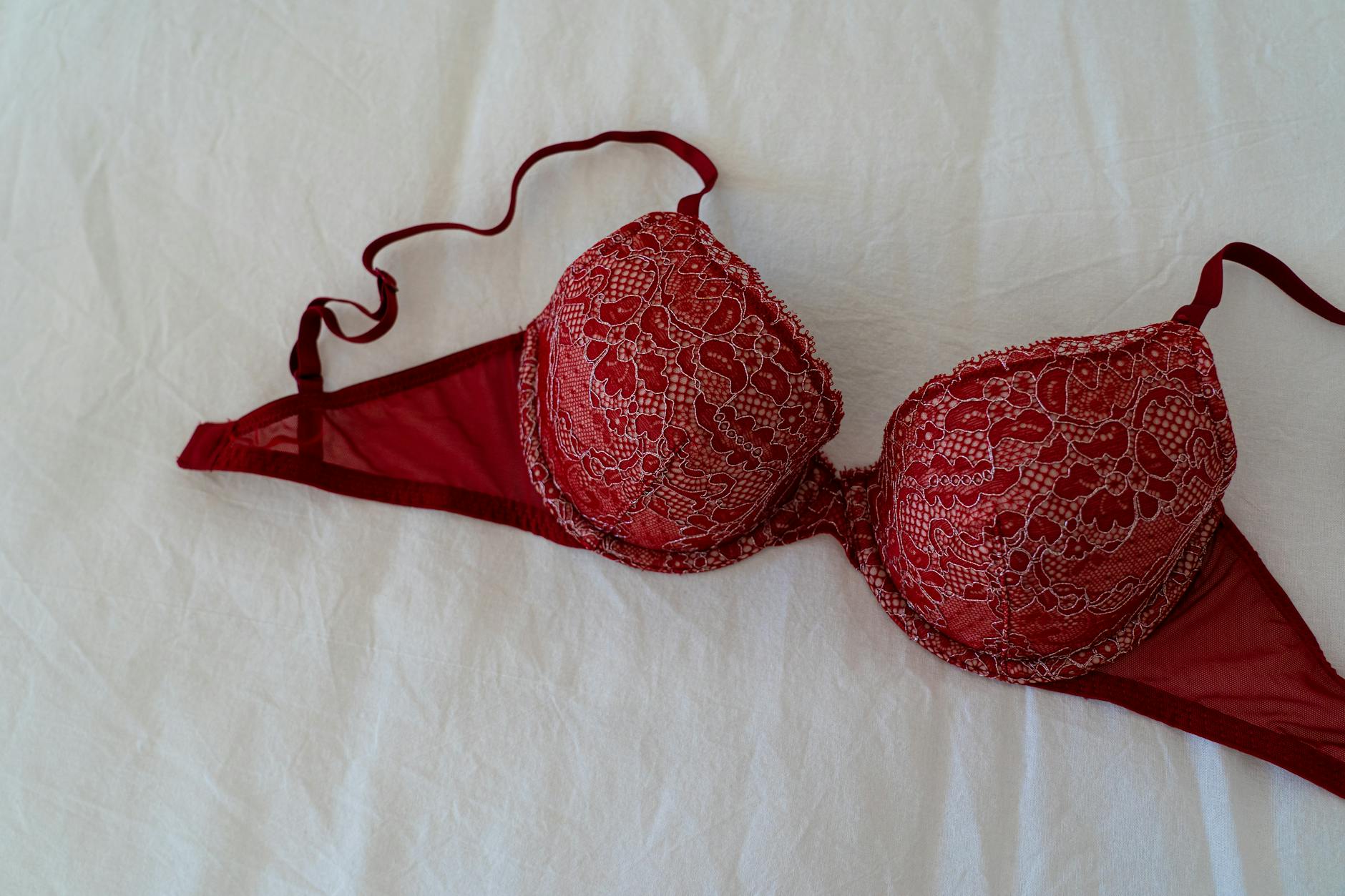
- If you can see the outline of your fingers and your skin tone clearly, the shirt will show your bra and skin when you wear it, and it will usually look thinner and cheaper the more it is washed.
- If you can see a soft shadow of your hand but no detail, that is normal for a crisp everyday shirt.
- If you can barely see your hand at all, the fabric is dense. It may be warmer, and it may wrinkle less.
Sheer is not the same as cheap. Very fine, lightweight cottons such as voile and lawn are see-through on purpose and can be beautifully made. The point of the test is to find out whether the shirt is sheer because it was designed that way or because it was made with as little fabric as possible, and whether sheer fits how you plan to wear it. If you are buying a work shirt to wear on its own, opacity matters more than almost anything else on this list.
Tell two: the collar
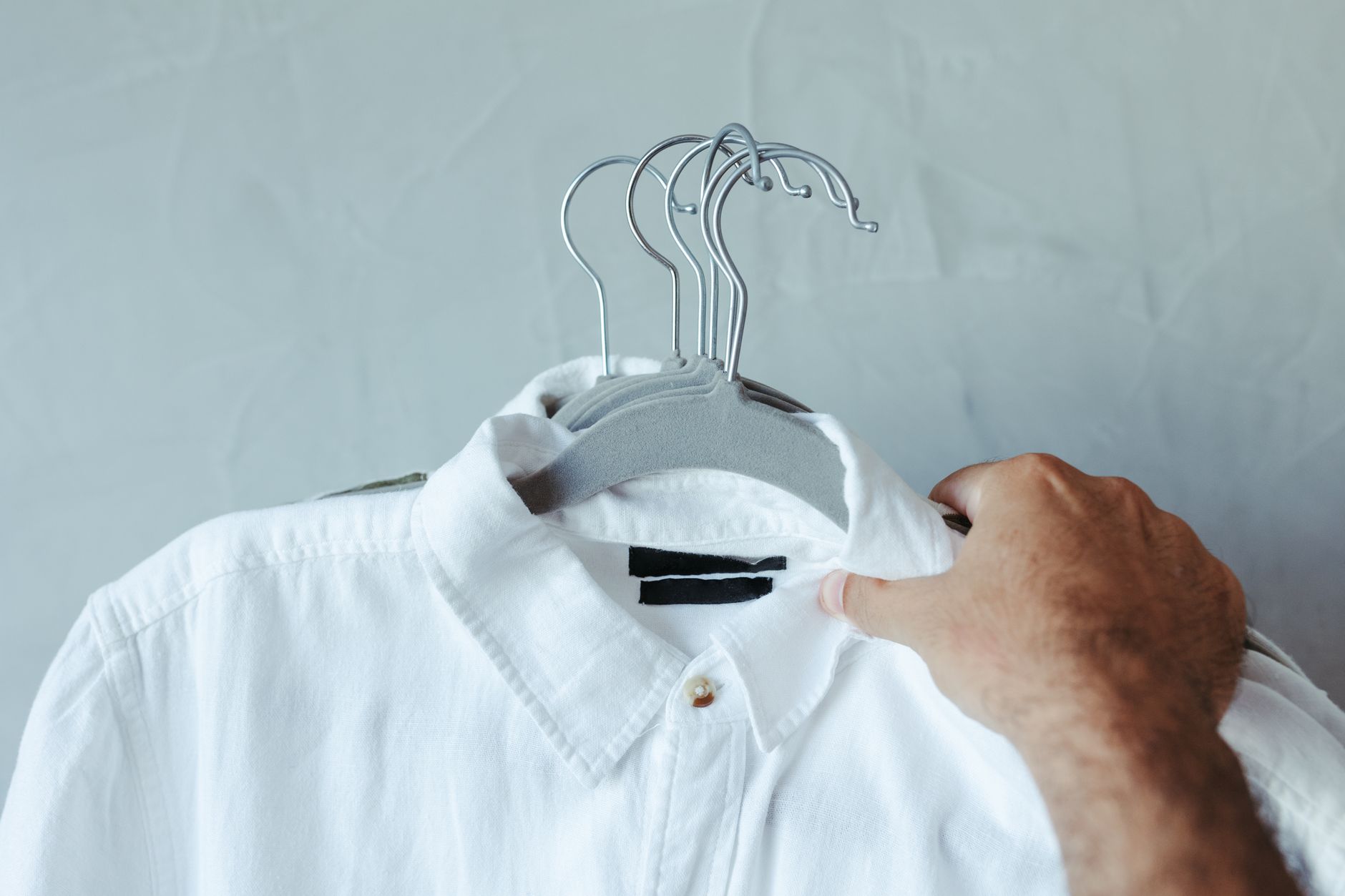 Photo by Jonathan Borba via Pexels
The collar sits right next to your face, so it is the part of the shirt people actually look at. It keeps its shape because of interfacing, a stiffening layer hidden between the outer fabric and the lining. Interfacing is either fused, meaning bonded with heat-activated adhesive, or sewn in. Both can be good. What matters is how well it was done.
Run three checks on the collar:
- Roll the collar point between your thumb and finger. Good interfacing feels smooth and springy and goes back to shape. A papery, crackly feel, or a point that stays bent, usually means the collar will go floppy or wavy after a few washes.
- Look along the edge stitching in good light. The stitching should run close to the edge in an even line. Small ripples or puckers along the edge often turn into bubbles in a fused collar once it has been through the wash.
- Undo the top button and let the collar stand. It should stand up around your neck on its own and not fold over. Check that both points are the same length and lie the same way, which is easy to miss on a hanger.
A collar that fails any of these will not get better with ironing. It is the main reason a shirt that looked sharp in the store looks tired after a month.
Tell three: the buttons
Buttons are small, but they sit down the center of your body, and white fabric makes them stand out. Cheap buttons are usually thin, flat, very shiny plastic. They feel weightless, and you can sometimes see a ridge where the mold joined.
Shell buttons, often sold as mother-of-pearl, feel cool and slightly heavy. Each one has a faint sheen that changes as it catches the light, and no two are exactly alike. You do not need shell buttons for a shirt to look good. Thicker plastic buttons with a matte or slightly textured finish look fine. What gives a shirt away is the combination of flimsy buttons and sloppy attachment.
So check how they are sewn on, too. Tug one gently. It should be firmly attached with no loose thread ends. Then look closely at a buttonhole. The stitching around it should be dense and even, with a cleanly cut opening and no fuzz poking through. Buttonholes that fray before you have even worn the shirt will only look worse.
- Hold a single layer up to overhead light with your hand behind it. If you can see finger detail and skin tone, it will show through when you wear it.
- Roll the collar point and check the edge stitching. A papery feel or puckered edges means the collar will lose its shape.
- Judge the buttons and buttonholes together. Thin, shiny buttons with frayed holes look cheap at any price.
The quick check to run before you buy
 Photo by Kristina Chuprina via Pexels
You do not need a fitting room for this. Each step takes a few seconds and can be done right at the rack.
- Light test. Single layer of the back panel, hand behind it, held toward the ceiling light.
- Collar roll. Pinch and roll one collar point, then compare it with the other point.
- Button touch. Press a button against the inside of your wrist. It should feel solid, not hollow or weightless.
- Buttonhole look. Check one buttonhole up close for even stitching and fraying.
- Crush test. Squeeze a corner of the shirttail in your fist for a few seconds and let go. Deep, sharp creases that stay put show you roughly how the shirt will look an hour after you sit down.
If a shirt fails two or more of these, put it back, whatever it costs. If it passes all five, fit is the only thing left to check.
What the label and the price do not tell you
"100% cotton" covers a huge range of shirts, from thin and loosely woven to dense and smooth. The weave name is more useful than the fiber:
- Poplin is smooth and crisp. Lightweight poplin is often the most see-through of the common weaves, so it most needs the light test.
- Oxford has a visible basket texture. It is thicker, more opaque and more casual.
- Twill has a fine diagonal line. It usually drapes softly and tends to be opaque.
- Pinpoint sits between poplin and oxford: smoother than oxford, sturdier than poplin.
Blends with polyester can look slightly shiny under strong light, which tends to read as cheaper on a white shirt. "Non-iron" or "easy-care" finishes are a real trade-off. You save time ironing, but the fabric can feel stiffer and may breathe less, so try one on before buying several.
Price is not useless, but it is unreliable. An expensive shirt can fail the collar test, and a modest one can pass all five checks. The checks are what you should go by.
The fit details that make a shirt look expensive
A well-built shirt that fits badly still looks off. Check four things in the mirror:
- Shoulder seam. It should sit at the edge of your shoulder bone, not partway down your arm or pulled up toward your neck.
- Front placket. Look between the buttons at bust level. If the fabric pulls into horizontal folds or gapes open, the shirt is too tight there. Your options are a size up taken in at the waist by a tailor, or a small hidden snap sewn between the buttons that gape.
- Sleeve length. With your arms relaxed, the cuff should reach your wrist bone. A sleeve that falls onto your hand looks borrowed.
- Tail length. If you plan to tuck the shirt in, it needs enough length to stay tucked when you reach up. If you plan to wear it out, it should not fall past the widest part of your hips unless that is the style you want.
How to keep it looking expensive after you buy it
 Photo by cottonbro studio via Pexels
Most white shirts that look cheap were fine when they were bought and were worn down by how they were washed and stored. The habits that matter:
- Wash it before it looks dirty. Yellowing at the collar and underarms builds up from body oils and deodorant over repeated wears. It is much easier to prevent than to remove.
- Treat the collar and cuffs before every wash. Rub a little liquid detergent into the inside of the collar band and the cuffs before the shirt goes in.
- Skip the hot dryer. High heat can set stains you missed, and it is hard on collar interfacing. Hang the shirt to dry, or take it out of the dryer while it is still slightly damp.
- Be careful with chlorine bleach. It can yellow some synthetic fibers and weakens cotton with repeated use. An oxygen-based whitener is gentler for regular use. Follow the care label either way.
- Iron the collar from the points toward the center. This keeps creases from forming at the tips, where they show most.
- Hang it on a shaped hanger with the top button done up. Thin wire hangers leave bumps in the shoulders, and an unbuttoned collar slowly loses its shape.
Know when to stop trying. Once the collar edge has frayed or the collar has started to bubble, no amount of ironing will bring it back. That is the moment to replace the shirt, and to run the five checks again on the next one.
Frequently asked questions
How can you tell if a white shirt will be see-through before buying it?
Hold a single layer of the back panel up toward a ceiling light and put your hand flat behind it. If you can clearly see your finger outlines and skin tone, the shirt will show what is underneath when you wear it, especially under office lighting or in front of a window.
Is a more expensive white shirt always better quality?
No. Price is an unreliable guide. An expensive shirt can still have a weak collar or thin fabric, and a modestly priced one can pass every check. Judge the opacity, the collar, the buttons and the buttonholes directly.
Which shirt fabric is least see-through?
Among common shirt weaves, oxford and twill are usually more opaque than lightweight poplin. The weave and weight matter more than the fiber, so a '100% cotton' label alone tells you little. Run the light test whatever the label says.
Why does my white shirt collar look wavy after washing?
Usually the interfacing inside the collar has started to separate or lose its shape, which is more likely with low-quality fused interfacing and high dryer heat. Ironing rarely fixes it for long. Air drying and ironing from the points inward help prevent it on the next shirt.