
What It Means When You Bruise More Easily Than You Used To
New or frequent bruising is usually explained by age, medication, or sun exposure — but not always.
Noticing a bruise you can't remember causing, or finding that a minor bump now leaves a mark that used to leave nothing, is common enough that most people brush it off. Most of the time it's benign, but easy bruising does have a specific, learnable set of explanations worth knowing rather than simply ignoring.
This is general information, not a diagnosis — persistent or worsening easy bruising should always be evaluated by a healthcare provider who can examine your specific situation.
The most common, least concerning explanations
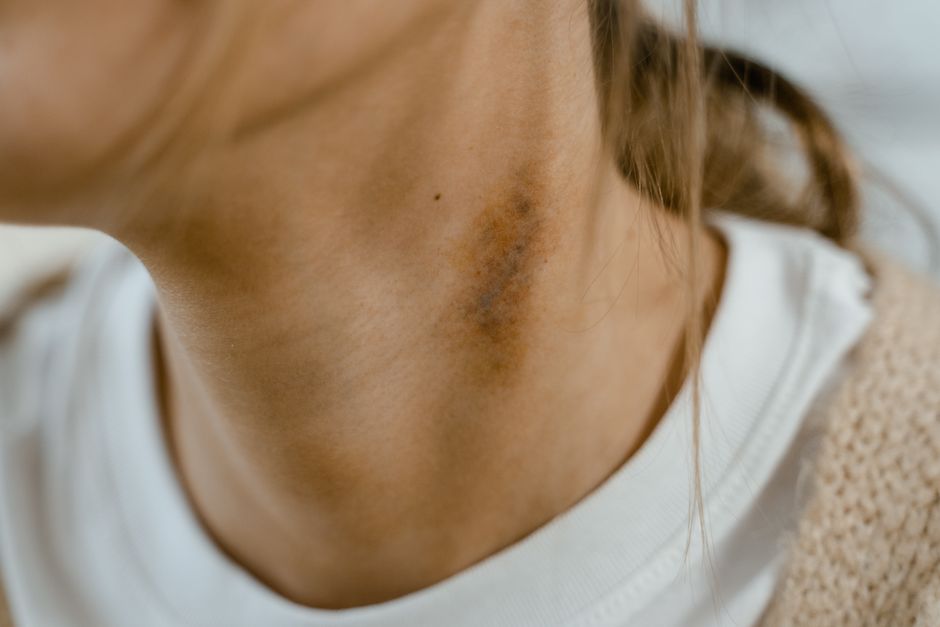 Photo by MART PRODUCTION via Pexels
1. Aging skin and blood vessel changes
As skin loses collagen and the layer of fat that cushions blood vessels thins with age, minor bumps are more likely to rupture small vessels and show up as a visible bruise, often on the forearms and hands specifically.
2. Medications and supplements
Blood thinners, daily aspirin, and even high-dose fish oil or vitamin E supplements can all increase bruising tendency as a known, expected side effect, not a sign of an underlying condition that's developed suddenly.
3. Sun exposure over time
Chronic sun exposure weakens the connective tissue supporting blood vessels, which is why easy bruising on the forearms and hands becomes more common with age, particularly in people with a lot of lifetime sun exposure in those specific areas.
When it's worth a conversation with a doctor
 Photo by SHVETS production via Pexels
Bring it up with a healthcare provider if bruising is new and frequent, appears without any known bump, occurs alongside unusual bleeding (gums, nosebleeds, heavier periods), or is accompanied by fatigue. These patterns can sometimes point to a platelet or clotting-related issue that's worth ruling out with basic bloodwork, rather than something to monitor indefinitely on your own.
What basic bloodwork for bruising typically checks
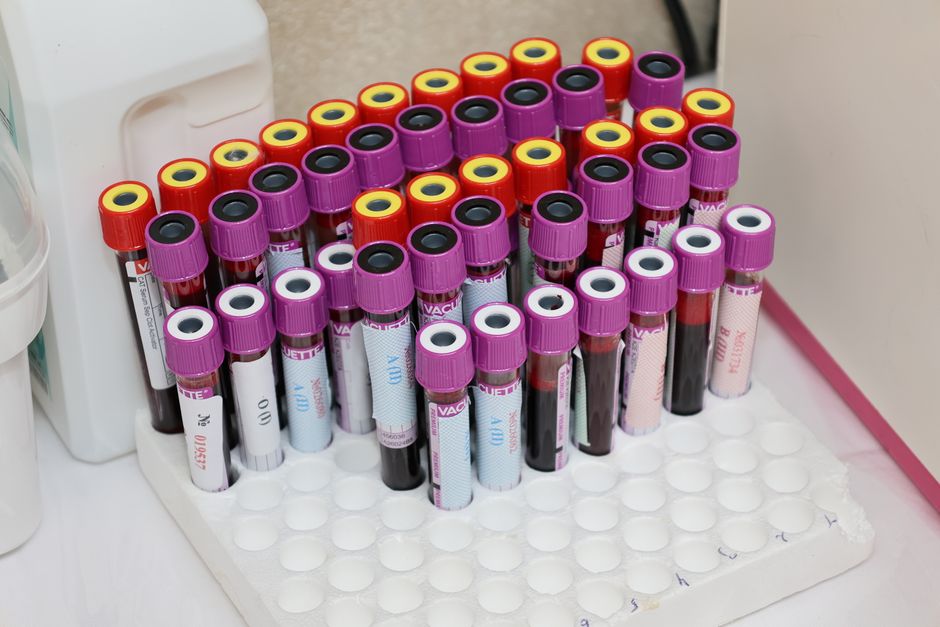 Photo by Tahir Xəlfəquliyev via Pexels
If a provider decides bloodwork is warranted, it typically starts with a complete blood count (CBC) to check platelet levels, along with clotting studies if the pattern or your history suggests it. These are standard, low-burden tests — a single blood draw — and results usually come back within a few days. Most of the time, results come back entirely normal, which is itself useful information ruling out the more concerning explanations rather than leaving the question open indefinitely.
Bruising patterns specific to older adults
 Photo by Towfiqu barbhuiya via Pexels
A specific, well-documented condition called actinic purpura causes dark, irregularly shaped bruises on the forearms and back of the hands in older adults, tied directly to the combination of thinning skin and cumulative sun damage described above. These bruises can look alarming, deep purple or even black, and take longer to fade than a typical bruise, but they're generally a cosmetic concern rather than a medical one. Recognizing this specific pattern by name can be reassuring, since it explains why bruising in this population often looks more dramatic than the minor bump that caused it would suggest.
Practical steps in the meantime
 Photo by Guto Macedo via Pexels
Keep a simple log of when bruises appear and whether you can connect them to a specific bump — this makes the eventual doctor's conversation much more productive than trying to recall a pattern from memory. Avoid stopping any prescribed medication on your own; discuss any concerns about a specific drug with the prescriber first, since the bruising risk of a medication is usually well understood and weighed against its benefit already.
Protecting skin that bruises more easily
Beyond investigating the cause, simple protective habits reduce how often bruises occur in the first place. Wearing long sleeves during yard work or activities with a higher bump risk, keeping frequently-bumped areas like shins and forearms clear of furniture with sharp corners, and using moisturizer regularly to support skin's elasticity and resilience can all meaningfully reduce frequency, particularly for skin that's already thinner from age or sun exposure.
Vitamin and nutritional factors worth ruling out
 Photo by https://kaboompics.com/ via Pexels
Vitamin C plays a direct role in collagen production, which supports blood vessel walls, and a genuine deficiency (though uncommon in people eating a varied diet) can contribute to easier bruising. Vitamin K deficiency, which affects clotting specifically, is another less common but real possibility, particularly in people with certain digestive conditions that affect nutrient absorption. These are worth mentioning to a doctor as a possibility rather than self-diagnosing and supplementing heavily on your own, since excessive vitamin K intake can interact with blood-thinning medications in the opposite direction, in ways that are easy to get wrong without professional guidance.
Hormonal factors that can also play a role
Fluctuating hormone levels, including around menstrual cycles, pregnancy, and menopause, can affect blood vessel fragility and clotting factors in ways that are less discussed than the aging or medication-related causes above. This doesn't mean every bruise during these life stages needs investigation, but it's a legitimate additional piece of context worth mentioning to a provider if bruising coincides with a hormonal transition, since it can help distinguish an expected, temporary pattern from one that warrants closer evaluation.
When bruising is genuinely nothing to worry about
 Photo by Ketut Subiyanto via Pexels
For most people reading this, occasional bruising that's clearly connected to a bump you remember, that fades within one to two weeks through the normal yellow-green healing color progression, and that isn't accompanied by any other symptoms is simply a normal part of having skin that bumps into things. The goal of tracking and paying attention isn't to create anxiety about every mark — it's to notice the specific pattern shift that actually warrants a conversation, so ordinary bruising doesn't need to become a source of ongoing worry.
Talking to a dermatologist versus a primary care doctor
For bruising that's primarily a cosmetic concern, particularly the actinic purpura pattern described above, a dermatologist can offer targeted options like specific topical treatments or in-office procedures that a general primary care visit typically won't cover in the same depth. For bruising that might reflect an underlying systemic cause, blood-related or medication-related, primary care or a hematologist is the more appropriate starting point. Knowing which type of concern you actually have, cosmetic versus potentially systemic, helps direct the conversation to the right specialist the first time rather than needing a referral partway through.
Documenting a pattern with photos
For bruising you're tracking over time, a dated photo taken alongside a ruler or common object for scale can be genuinely more useful at a follow-up appointment than a verbal description, since bruises change in color and size as they heal, and a provider comparing today's exam to a photo from three weeks ago gets a much clearer picture of progression than relying on memory of "it looked about the same, maybe a little bigger." This is a low-effort habit that makes an eventual specialist referral, if one becomes necessary, considerably more efficient from the very first appointment, since the visual record speaks for itself rather than relying entirely on recollection weeks or months later.
Bruising in children versus adults
Bruising patterns and causes differ somewhat between children and adults, since active children naturally bruise more often from ordinary play, and this alone usually isn't a reason for concern. The same warning signs apply, though: bruising with no clear cause, in unusual locations like the torso or back rather than the shins and forearms typical of active play, or accompanied by other symptoms is worth mentioning to a pediatrician, who can evaluate it against what's typical for a child's age and activity level specifically, rather than comparing it to what would be concerning in an adult.
Bringing a partner or family member's observations into the conversation
Sometimes a partner or family member notices a bruising pattern before the person experiencing it does, simply because they see the marks in passing more objectively, without the day-to-day familiarity that can make a gradual change harder to notice in yourself. If someone close to you mentions noticing bruises more often lately, it's worth taking that observation seriously rather than dismissing it, since an outside perspective often catches a real pattern shift earlier than self-monitoring alone would.
- Easy bruising is often explained by aging skin, medications, or sun exposure, and is usually benign.
- Bruising with no known cause, alongside other bleeding, or with fatigue warrants a doctor's visit and basic bloodwork.
- Never stop a prescribed medication without discussing it with your provider first, and consider simple protective habits in the meantime.
Frequently asked questions
Is easy bruising usually serious?
Most of the time it's benign and explained by aging skin, medication, or sun exposure — but new or frequent bruising with no clear cause should be evaluated.
What symptoms alongside bruising should prompt a doctor's visit?
Bruising with no known cause, other unusual bleeding (gums, nosebleeds, heavier periods), or accompanying fatigue.


