A cleaning schedule for people who hate cleaning schedules
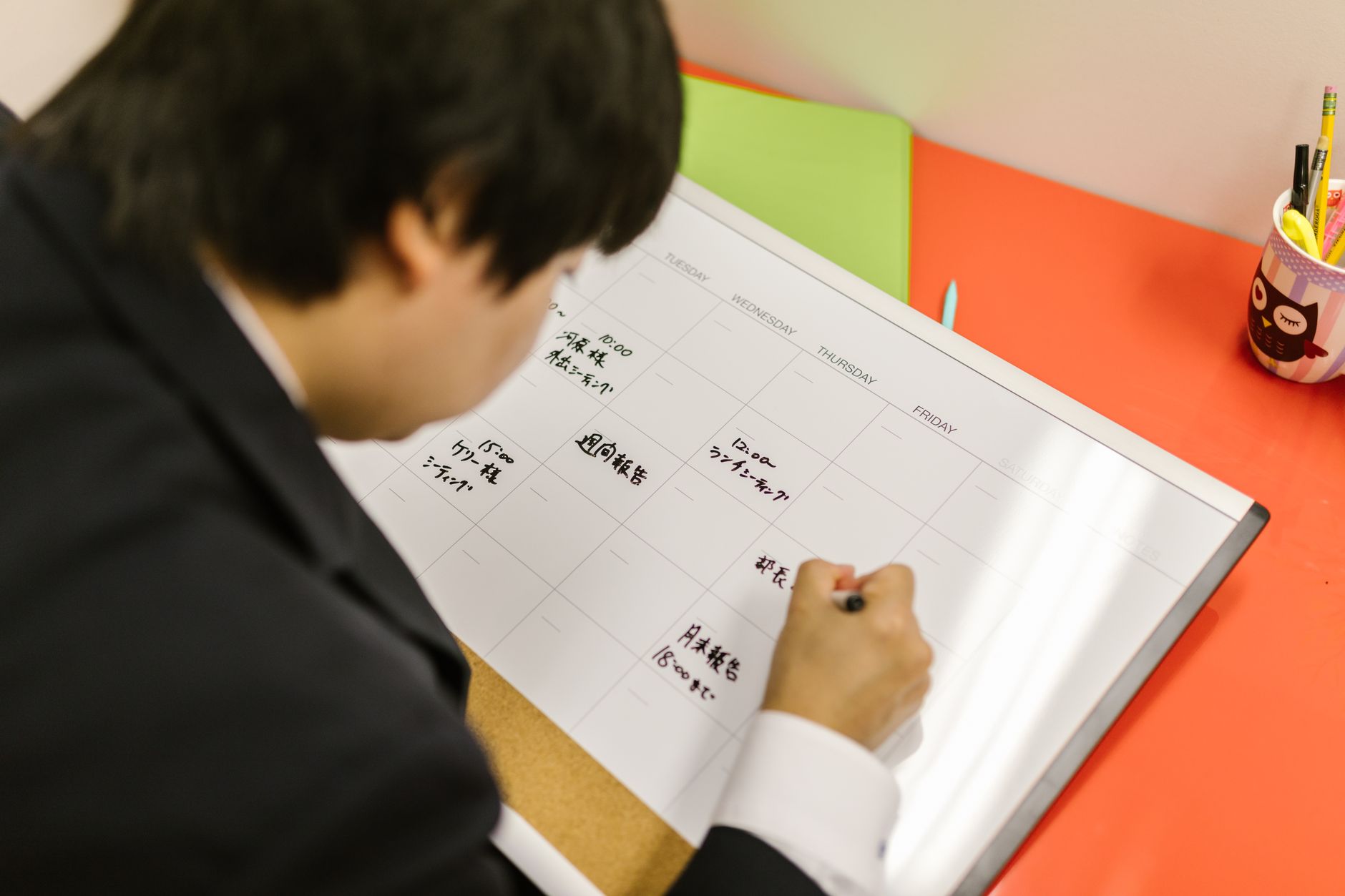
running list cleaning schedule sorted by the room you’re in with four weekly tasks
It is Tuesday. You have coffee in one hand and a sock pile in the other, which feels like a small, woolly hostage situation. The pile lives on the armchair, but it also flirts with the coffee table, advances on the rug, and hides one slipper every other day. You tell yourself you will make a schedule. You open the notes app. You close it. The sock pile wins this round.
Cleaning schedules feel impossible because they ask you to act like a calendar and not a person. They demand blocks of time that you do not have, and they punish you if life reroutes you. What you actually need is a way to clean that matches how you move through your home. This piece gives you a different promise: not a timetable, but a practical, room-sorted running list you can start tonight. No color-coded calendar. No rigid days. Just one small system so the sock pile stops feeling like it runs your life.
What is a running-list, room-sorted cleaning system?
A running list, sorted by room, is exactly what it sounds like. Instead of assigning tasks to Monday afternoons, you keep a short, evolving list for each room. When you are in that room, you consult the list and do one task. The list lives where you can actually see it. You add things when you notice them. You cross things off as you finish.
This differs from traditional schedules in three ways. First, it is reactive and visible rather than rigid and hidden. You don’t need to remember that bathroom-cleaning is on Friday; you only need to notice the rim of the sink or the towel pile. Second, it reduces decision friction: the list tells you the next smallest meaningful action. Third, it structures maintenance around four repeatable weekly tasks per room, so maintenance is continuous instead of all-or-nothing.
Components of the system. Each room has a short running list and four weekly tasks. There is a 10-minute daily reset that keeps clutter from snowballing. There are simple rules about task size so nothing turns into an all-day chore. Finally, the list is portable and editable: paper index cards, a note app, or a magnet on the fridge. Choose what you will actually use and leave the rest.
Is this a problem for me?
Do you leave small messes until they become very visible? Do you empty the dishwasher only when you need a plate? Do you feel overwhelmed by the idea of a cleaning schedule because it looks like another thing you will fail at? If any of that rings true, you would probably benefit from a room-based running list.
This is not for people who already like timed cleaning blocks or who only need a deep seasonal clean once a year. The trade-off is that a running list favors steady maintenance over rare, exhaustive scrubbing. That is good for daily life and bad only if you want a spring-cleaning marathon. Also, if you share a home, this system helps but requires negotiation. It minimizes nagging by making visible expectations, but it does not magically make other people do the work.
The real upside is mental space. A short visible list stops you from playing mental Tetris with chores. It turns cleaning into a small, repeatable series of choices rather than a looming verdict on your free time.
How do I set up a running list that actually works?
Do one thing properly rather than five things badly. Choose one room to start. Tonight. Not three rooms, not the whole house. One room, one blank index card or one note in your phone. Write the room name and four short weekly tasks. Keep tasks bite-sized so they can be finished in 10 to 30 minutes. If a task needs more time, break it into smaller steps.
Rules to keep the system honest:
- Use visible triggers. Place the list in the room where you can actually see it. If you hide it in an app folder called Chores, you will forget it. A magnet on the fridge, a sticky note on a shelf, or an index card tucked inside a drawer are all fine. The trigger is sight, not guilt.
- Keep task length consistent. Aim for tasks that take 10 to 30 minutes. A practical starting structure is 10 minutes for quick tasks, 20 for medium ones, and 30 for more detailed maintenance. Label them if that helps: Quick, Medium, Deep.
- Add only what you will do. If you do not like mopping, do not promise weekly mopping; promise spot-cleaning and a floor sweep, then reassess. The list should encourage follow-through, not perfection.
- One task at a time. When you enter the room, do one item and stop. Completion is progress.
Tools that make this painless:
- A pen and index cards. One card per room. Portable. Replaceable. Satisfying.
- A small cleaning caddy with three supplies: multi-surface spray, microfiber cloth, and a hand broom or small vacuum attachment. Keep it on a shelf near the rooms you use most.
- A timer or your phone. Set 10 or 20 minutes and commit to finish the task in that time.
The 10-minute daily reset and habit stacking. A daily reset keeps clutter from piling up. Pick a natural stack point like after coffee or before bed. The reset takes 10 minutes and covers the whole home in a small way: clear counters, scoop dishes into the dishwasher, fold one blanket, stash today's mail in the basket. Habit stacking means tie the reset to an existing habit. After you brush your teeth, do the 10-minute reset. After your morning coffee, check the living room list. Small, repeated actions become automatic fast because they piggyback on something you already do.
What happens when you actually try this instead of a schedule?
 Photo by cottonbro studio via Pexels
Real life example. One version of this system was tried by someone who hated the idea of schedules. She started with the living room. Her first week she committed to the 10-minute nightly reset and one weekly dusting task. The notable change came in week two: the armchair no longer accumulated overnight clothing. The small, visible wins reduced resistance. She still missed a few things. She forgot to deep-clean the rug because it was not on the immediate list. The fix was simple: add a quarterly deep task card for things that do not need weekly attention.
What failed and how to recover. If you skip a room for a week, make the next task smaller, not bigger. If you find the lists get long, prune them. The running list is dynamic. If an item never gets done, either it is the wrong item or you need to break it into smaller steps. For example, instead of Weekly: clean oven, write Week 1: remove racks; Week 2: spray and wait; Week 3: wipe interior; Week 4: reset. That spreads the load without abandoning the job.
Why visibility matters. A checklist that lives somewhere else is a to-do you will forget. Seeing a card in the foyer nudges you to put shoes away. Seeing a note on the bathroom mirror prompts you to wipe the sink after brushing your teeth. Small nudges beat willpower.
How do I tell a good cleaning tip from a confident one?
There are a lot of cleaning tips out there. Some are specific and useful. Some are loud and vague. A useful tip meets three tests: it matches your constraints, it has a clear action, and it is replicable.
Match your constraints. If a tip requires a full hour and you only have ten minutes before guests arrive, it is not useful. A good tip will specify a time frame such as five minutes for a quick fix.
Look for clear actions. Good advice does not say, "clean everything." It says, "wipe surfaces top to bottom with a damp microfiber cloth, then run the vacuum along baseboards." If a tip lists steps you can picture, it probably beats one that promises magical results.
Replicability and cost. Ask whether the tip needs unusual tools. If a tip depends on a specialized machine you will never buy, it is not practical. The best room-based hacks use a cloth, a spray, and simple motion.
A quick test you can do in five minutes. Try the tip once, time it, and note whether it solved the visible problem. If it took longer than the claimed time or did not fix the issue, mark that tip as low utility. Keep the good ones on the running list and forget the rest.
What's the four-weekly-task plan per room?
This is the heart of the system: four weekly tasks per room that rotate or repeat. The idea is to give each room a predictable minimum of care without scheduling it to a specific day. Choose one room tonight and write these four tasks on its card. The suggested times are optional starting points.
Living room
- Quick nightly reset. Put away stray items, fold throw blankets, fluff cushions. Time: 5 to 10 minutes.
- Dust and electronics wipe. Use a microfiber cloth top to bottom: shelves, TV, lamp. Time: 10 to 20 minutes.
- Vacuum or sweep under cushions and visible flooring. Move light furniture if needed. Time: 15 to 30 minutes.
- Declutter and recycle paper. Go through magazines, mail, and small piles. File or toss. Time: 10 to 20 minutes.
Kitchen
- Wipe counters and stove after dinner. Clear crumbs and put appliances back. Time: 5 to 15 minutes.
- Clean sink and load dishwasher. Scrub rim and wipe faucets. Time: 5 to 10 minutes.
- Sweep and spot-mop floor. Focus on corners and under chairs. Time: 10 to 20 minutes.
- Clear out one shelf of the fridge or wipe handles and high-touch spots. Time: 10 to 20 minutes.
Bedroom
- Make the bed and stash laundry. Start the laundry if needed. Time: 5 to 10 minutes.
- Change or straighten bedding if needed. Rotate sheets weekly or biweekly depending on preference. Time: 10 to 20 minutes.
- Dust surfaces and tidy nightstand. Wipe lamps and mirrors. Time: 10 to 20 minutes.
- Vacuum or sweep under the bed and around the closet entrance. Time: 10 to 20 minutes.
Bathroom
- Quick wipe of sink and mirror after use. Replace towels if damp. Time: 3 to 5 minutes.
- Scrub toilet and wipe seat and handle. Time: 5 to 10 minutes.
- Clean shower walls and scrub any visible soap scum. Squeegee glass if present. Time: 10 to 20 minutes.
- Empty trash and wipe surfaces, including doorknob and light switches. Time: 5 to 10 minutes.
Entry or mudroom
- Sweep or shake out the welcome mat. Time: 5 minutes.
- Wipe down the door handle and any visible scuffs. Time: 5 to 10 minutes.
- Pair and stow shoes, hang coats, and slot incoming mail into a basket. Time: 5 to 10 minutes.
- Tidy a catchall surface. Remove items that belong elsewhere. Time: 5 to 10 minutes.
Home office
- Clear and wipe your desk surface. File or corral papers. Time: 10 minutes.
- Dust electronics and keyboard, then run a quick cable tidy. Time: 10 to 15 minutes.
- Empty trash and declutter desktop icons if you work digitally. Time: 5 to 10 minutes.
- Organize one drawer or one shelf. Put things back where they belong. Time: 10 to 20 minutes.
How to use these tasks. You do not need to do all four tasks each week. Pick one when you are in the room. If you are doing your 10-minute nightly reset and notice dust on the TV, do the dust task. If you see a gross spot in the shower, do the shower task. The point is to make the next right action obvious and doable.
If you want rotation, assign each room one slot in your week and rotate tasks within it. But you do not need a calendar. The visible trigger decides.
Close: start tonight
Pick one room tonight. Write its name on an index card or in a note. List the four weekly tasks suggested above or tweak them to fit your home. Do the 10-minute reset now. Fold one blanket, stash the sock pile in a laundry basket, wipe one visible surface. That small win is the system's currency. Repeat it tomorrow. One room. One list. One small win.
Frequently asked questions
How do I stop a cleaning list from being ignored?
A list gets ignored when it is inconvenient to follow. Make the list visible in the room and keep tasks short. Swap paper for whatever you will actually see. Set a 10-minute timer and do one item. Habit stack the reset to something you already do, like after coffee or before bed. If an item is always skipped, break it down. Replace vague tasks with exact steps you can finish in one session.
Can this work if I live with roommates or a partner?
Yes, but it needs a short negotiation. Make a shared card in a common space and agree on visible triggers. Assign responsibilities by room or by task, not by guilt. Keep the language neutral: "Kitchen list" rather than "You do the dishes." If someone will not participate, make the list your personal standard for the areas you control and use the visible system to cut down on nagging.
What if I only have 10 minutes a day?
Perfect. The system is built for short bursts. Do the 10-minute daily reset and one short task in a room. Over a week those small bursts add up. If you only have 10 minutes, prioritize high-visibility items: clear counters, empty the sink, stash clutter in a box to sort later. Those actions reduce the mental load even if the deep cleaning waits.
How do I remember deep-clean tasks like the oven or baseboards?
Add a separate card labeled Quarterly or Seasonal for low-frequency deep tasks. Break those jobs into smaller steps that fit the 10 to 30-minute rule. For example, "Oven: remove racks" is one step. "Oven: spray and wait" is another. This keeps deep cleaning on the radar without turning it into a monstrous weekend project.
Do I need special cleaning products to make this work?
No. The system values action over tools. A microfiber cloth, a general-purpose cleaner, and a small broom or hand vacuum are enough for most maintenance. If a task requires a specific product, write it on the room card so you buy it when convenient. Prioritize portability: a small caddy keeps supplies close and lowers friction.
How often should I update the running list?
Update it whenever you notice recurring problems or after you complete a deep task. A quick weekly glance is enough to move overdue items to a Quarterly card or to replace completed tasks with new ones. The list should evolve as your life does. If you start hosting more, add a quick-guest-ready routine. If you get a pet, add frequent brush-ups.
What if I have kids or pets who make mess constantly?
Lean into micro-tasks. Kids and pets make steady small messes that respond well to short, frequent resets. Create child-friendly zones where toys live and teach a two-minute tidy game after play. For pets, keep wipeable mats at entry points and a pet-hair vacuum tool accessible. The running list reduces the energy spent on resentment and turns cleanup into a set of tiny, doable choices.