
Building a Capsule Wardrobe That Transitions From Work to Weekend
Streamline your closet with 10 versatile foundational pieces that elevate your daily style effortless.
Getting dressed for work and transitioning smoothly to weekend activities doesn't require two separate wardrobes. The secret to an efficient closet is building a work-to-weekend capsule wardrobe based on versatile, high-quality foundational pieces that do double duty without ever looking like you're wearing the same outfit twice.
By selecting structured yet comfortable garments in neutral palettes, you can create dozens of elevated outfits with a fraction of the total items a typical closet holds.
The core 10-piece capsule list
 Photo by Zulfugar Karimov via Pexels
- 2 structured blazers: One tailored black or navy blazer; one relaxed oversized linen or wool-blend blazer.
- 3 premium tops: A crisp white button-down shirt, a high-quality crewneck t-shirt, and a silk or satin blouse.
- 2 trousers: One pair of tailored wide-leg trousers and one pair of dark-wash straight-leg jeans.
- 1 midi dress: A knit or wrap midi dress that pairs equally well with loafers or sneakers.
- 2 pairs of footwear: Classic leather loafers or pointed flats for work; clean minimalist sneakers for weekends.
Ten pieces, combined deliberately, produce well over twenty distinct outfit combinations — more than most far larger closets manage to put into regular rotation.
Styling tricks for seamless transitions
 Photo by Ali Babajahdi via Pexels
Work setting
Pair tailored wide-leg trousers with a white button-down shirt tucked in, layered under a structured blazer with leather loafers and minimal gold jewelry. The blazer is doing most of the "professional" signaling here, which is exactly why it's worth investing in first.
Weekend setting
Swap the trousers for dark-wash straight-leg jeans, unbutton the top two buttons of the shirt, roll up the sleeves, and switch loafers to minimalist white sneakers. Same shirt, same accessories even, completely different register.
The five-minute mid-day switch
Keep a spare pair of sneakers and a casual layer (a denim jacket or oversized cardigan) at your desk or in your bag for days with a straight-from-work plan. Changing shoes and swapping the blazer for a casual layer takes less time than most commutes, and instantly resets the outfit's context.
Quality over quantity
 Photo by Đậu Photograph via Pexels
Invest in durable natural fabrics like organic cotton, wool, silk, and linen. High-quality materials drape better, resist wear, and maintain their shape through repeated laundering — which matters considerably more in a capsule wardrobe, where each piece gets worn far more often than it would in a larger, more diffuse closet.
Where to spend and where to save
The blazers and the midi dress are worth the higher end of your budget, since they carry the most visual weight and get worn most frequently. A basic crewneck t-shirt or straight-leg jeans are reasonable places to shop mid-range, since fit and fabric matter less at that price point than for a tailored piece.
Packing the same capsule for a trip
 Photo by Ketut Subiyanto via Pexels
The same logic that makes a work-to-weekend capsule work at home makes it an efficient travel wardrobe too. Ten pieces built around one or two neutral palettes pack into a carry-on with room to spare, and the same mix-and-match logic means you're not packing a separate outfit for every single day — just the same versatile pieces, recombined.
Accessorizing to shift the whole look
 Photo by hatice genç via Pexels
Accessories are the fastest way to shift a capsule piece's register without touching the clothing itself. Structured gold jewelry and a leather tote read as polished and professional; a canvas bag and layered, casual jewelry read as relaxed weekend style — on the exact same blazer and trousers. Keeping two small accessory "kits," one work-leaning and one casual, makes the daily switch close to automatic.
Caring for a smaller, harder-working wardrobe
 Photo by cottonbro studio via Pexels
With only ten core pieces in heavy rotation, proper garment care matters more than it would in a larger, more diffuse closet. Hand-washing or using a gentle cycle for silk and wool pieces, air-drying rather than machine-drying anything structured, and rotating between pairs of shoes rather than wearing the same pair daily all extend the working life of a capsule considerably. A blazer that's dry-cleaned only when genuinely needed, rather than after every single wear, also holds its shape and fabric integrity far longer.
Choosing outfits faster once the capsule is built
 Photo by Liza Summer via Pexels
One underrated benefit of a tightly curated capsule is how much faster getting dressed becomes. With only ten pieces, nearly any combination works, which removes the daily decision paralysis of standing in front of a much larger closet trying to figure out what actually goes together. Many people who switch to a capsule wardrobe report the time savings on daily outfit decisions as a bigger benefit, day to day, than the closet space it frees up.
Expanding the capsule seasonally without starting over
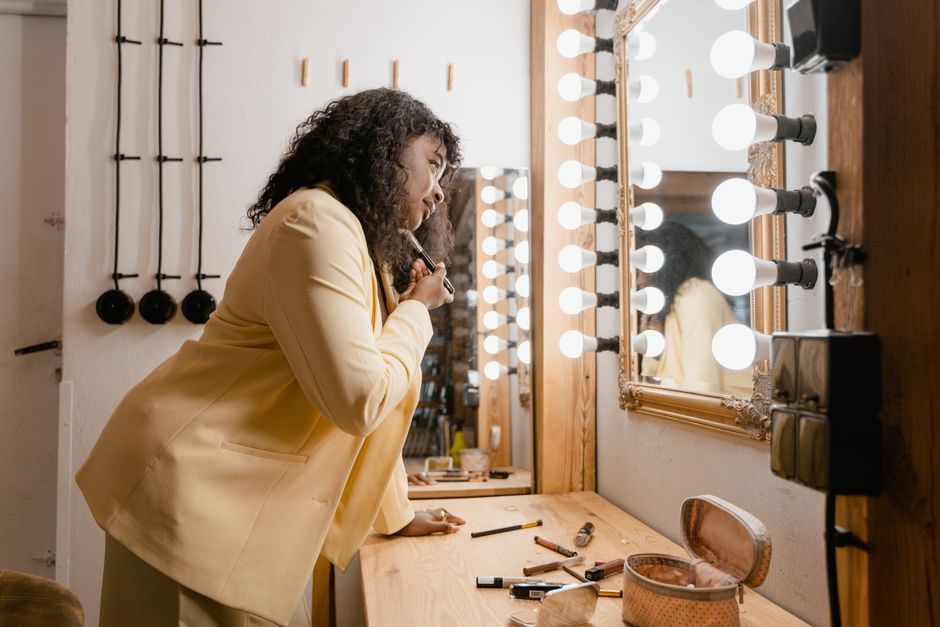 Photo by MART PRODUCTION via Pexels
The ten-piece core doesn't need to be static year-round — a lightweight cardigan or a warmer coat can rotate in and out seasonally without disrupting the underlying system, since the core neutral palette means new seasonal additions integrate immediately rather than requiring a wardrobe overhaul. Think of the ten pieces as the permanent foundation, with two or three seasonal additions layered in and out as the weather changes.
Adapting the capsule to different work environments
Not every job shares the same definition of "work appropriate," and the ten-piece list above assumes a fairly typical business-casual office. In a more formal environment, swap the relaxed linen blazer for a second tailored option, and lean more heavily on the loafers than the sneakers even outside of work hours. In a more casual or creative environment, the same ten pieces work with the ratios flipped — sneakers in heavier rotation, the tailored blazer reserved for client meetings or presentations specifically. The underlying structure holds regardless of the dress code; only the balance between the pieces shifts.
Building confidence in fewer, better choices
A common hesitation with capsule wardrobes is the worry that repeating the same ten pieces will be noticeable or feel monotonous. In practice, most people are far less attentive to others' repeated outfits than we assume of our own — and the accessories, styling, and context change enough between a Tuesday at the office and a Saturday coffee run that the same blazer reads as two entirely different outfits. The confidence that comes from knowing every piece in the closet works, and works well, tends to outweigh whatever minor repetition someone might theoretically notice.
Auditing your current closet before buying anything new
Before purchasing a single new piece, it's worth pulling everything you own into one pile and sorting by the ten categories above. Most people already own several capsule-worthy pieces scattered throughout a larger, less curated closet — a good white shirt bought years ago, jeans that still fit well, a blazer worn twice a year. Identifying what you already have that qualifies means the actual shopping list to complete the capsule is usually shorter, and cheaper, than starting from a blank closet would suggest.
What to do with everything the capsule replaces
Clothes that don't make the cut don't need to go straight to a landfill. Genuinely worn-out items can go to textile recycling programs many donation centers and some retailers now offer; still-wearable pieces that simply don't fit the new, more curated approach can go to consignment, a clothing swap, or direct donation. Treating the transition out of a larger wardrobe with the same intentionality as building the capsule itself keeps the whole process from generating unnecessary waste on the way to a smaller, more genuinely functional closet you'll actually enjoy getting dressed from each morning, rather than merely tolerate the way a too-full, poorly curated closet is so often simply endured out of habit, year after year, without anyone stopping to ask if it actually has to stay quite so cluttered, disorganized, and genuinely unworkable for daily use.
- Build your wardrobe around versatile neutral foundational pieces rather than trend items.
- Layering pieces like blazers and swapping shoes elevate or relax an outfit in minutes.
- Focus on natural, breathable fabrics for longevity, and use accessories to shift a piece's register without buying anything new.
Frequently asked questions
How many items should a basic capsule wardrobe have?
Around 10 to 15 versatile core garments is ideal for building over 20 distinct outfits.


