Building a Shoe Capsule: The 5 Pairs That Cover Every Outfit
Twenty pairs and nothing to wear is a functional gap, not a quantity problem. Here is what to fix it.
A closet with twenty pairs of shoes and nothing to wear on a Tuesday morning is a familiar contradiction. The problem usually isn't quantity, it's that most of those pairs solve for the same occasion while entire categories of need go uncovered, leaving you reaching for the same two pairs on repeat regardless of how full the shelf looks.
A five-pair shoe capsule is built around covering distinct functional categories rather than accumulating variations on the same shoe.
The five categories that cover almost everything
 Photo by Goodwill Domingues via Pexels
- A polished flat or loafer in a neutral tone (black, cognac, or navy) for work and errands that need to look intentional.
- A clean white sneaker for anything casual, from weekend errands to a walk with friends.
- A low block heel or pointed flat for occasions that need slightly more polish without sacrificing comfort.
- An ankle boot in leather or suede for cooler months, worn with everything from jeans to dresses.
- A strappy sandal or elevated flat sandal for warm-weather versatility, dressy or casual depending on the outfit.
Why five, specifically
 Photo by HamZa NOUASRIA via Pexels
Each pair is chosen to answer a different question, formal or casual, warm or cold, standing all day or dressed up for an evening, rather than five slightly different answers to the same question. That's what allows five pairs to functionally replace a much larger, more repetitive collection without ever leaving a genuine gap in your wardrobe.
Choosing within each category
Prioritize neutral tones (black, cognac, white, nude) over trend colors, since neutrals pair with a wider range of outfits and extend the useful life of each pair by several seasons. A shoe in a strong seasonal trend color might look striking for one or two outfits and then sit unworn once that trend passes.
Maintaining the capsule over time
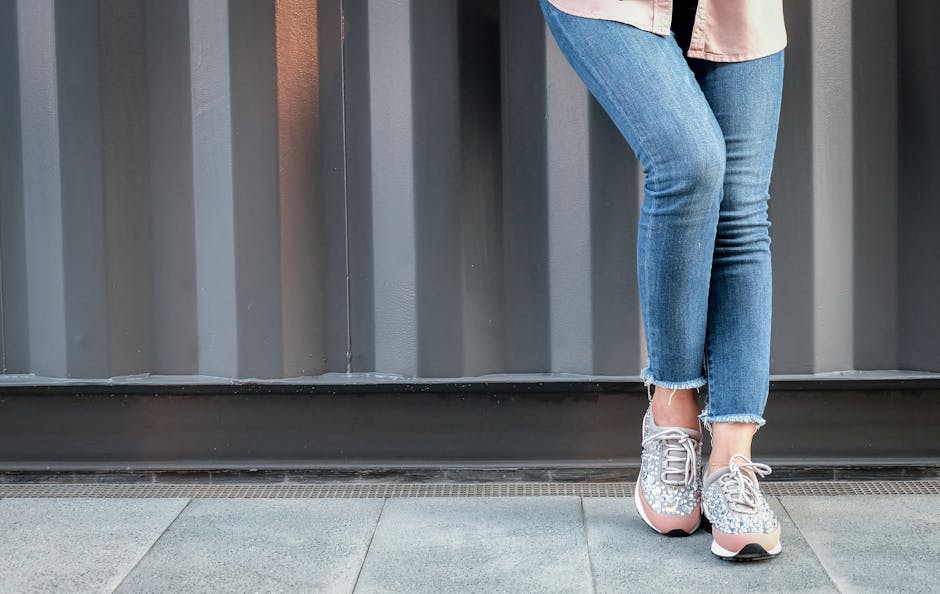 Photo by The Lazy Artist Gallery via Pexels
Replace within the same category when a pair wears out, rather than letting the collection quietly expand. If you find yourself reaching for one pair constantly while another sits unused, that's a signal to invest in a better version of the first and let go of the second, rather than simply adding a sixth pair on top.
Caring for five pairs so they last longer
 Photo by Evelyn Carvajal via Pexels
With a smaller rotation, each pair earns more wear, which makes basic maintenance worth the small time investment. A leather conditioner applied every few months keeps loafers and boots from cracking; a suede brush restores nap on ankle boots after a rainy commute; and rotating between two pairs on days you'll be on your feet for hours prevents any single pair from wearing out prematurely from constant daily use.
Resoling instead of replacing
A well-made pair of leather loafers or boots can often be resoled once the tread wears down, extending its life by years for a fraction of the cost of a full replacement. This is generally only worth it for the pairs you invested more in initially, which is one more reason to spend deliberately on the categories you'll wear most.
Storing the capsule so it stays a capsule
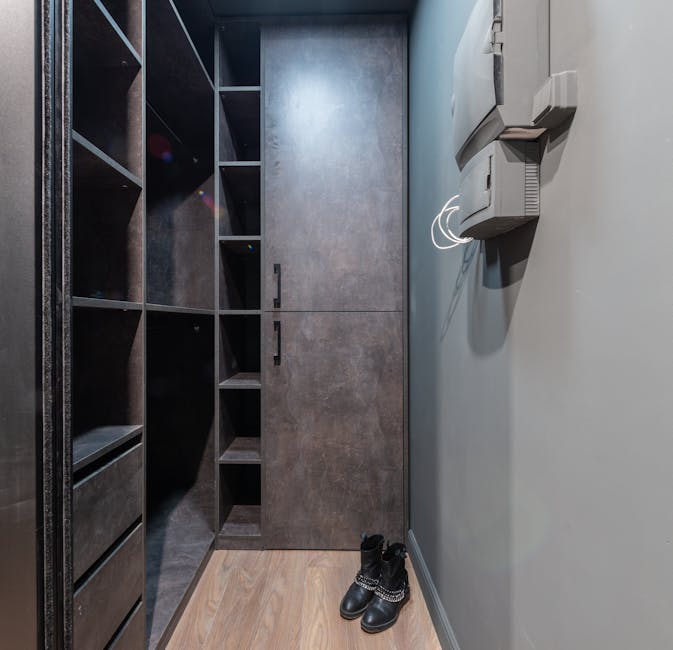 Photo by Max Vakhtbovych via Pexels
A visible, organized shoe shelf makes it much easier to actually rotate through all five pairs rather than defaulting to whichever pair is easiest to reach. Store them where you can see all five at a glance, a bin or a jumbled closet floor tends to bury three of the five pairs out of sight, which quietly recreates the exact problem the capsule was meant to solve.
Shopping for the capsule without overbuying
 Photo by Vika Glitter via Pexels
When shopping to fill a specific category, resist the pull of a shoe that's beautiful but doesn't clearly answer one of the five functional questions. A stunning pair of heels that doesn't fit "polished flat," "sneaker," "block heel," "boot," or "sandal" is really a sixth category forming, which is fine as a deliberate exception, but worth naming as one rather than letting the capsule quietly grow past five without noticing.
Trying shoes on with the actual outfits you'll wear them with
Buying shoes in isolation, without the specific trousers, dresses, or jeans you'll actually pair them with, is a common source of "this doesn't go with anything" regret. Bring a phone photo of your existing capsule pieces when shopping, or better yet, try new shoes on with an actual outfit from your closet before deciding.
Comfort matters as much as category
 Photo by Noel Aph via Pexels
A shoe that fills a category perfectly on paper but hurts after two hours of wear will quietly get replaced by whatever's comfortable, undermining the whole capsule. Prioritize genuine all-day comfort within each category, even if it means spending slightly more or choosing a marginally less trendy option, the "polished flat" you'll actually reach for at hour eight of a long day is worth more than one that only looks right for the first thirty minutes.
Building outfits around the shoe, not just the outfit around the shoe
 Photo by Sekav Werna via Pexels
Once the five pairs are established, it's worth occasionally reversing the usual process: instead of choosing an outfit and then picking shoes to match, start from a specific pair and build the outfit around it. This tends to surface combinations you wouldn't have reached for otherwise, and is a quick way to confirm that all five pairs are earning genuinely equal use rather than three favorites and two pairs quietly gathering dust.
Adjusting the five categories for your specific lifestyle
The five categories described are a strong general-purpose starting point, but they're not universal. Someone who works from home most days might swap the polished loafer for a second, slightly more elevated sneaker, since formal flats rarely leave the closet. Someone in a climate with a long, genuine winter might need a second boot, a lighter ankle boot and a weatherproof winter boot, rather than trying to make one pair cover both. The five-category framework is meant to be a starting structure to adapt, not a fixed list to follow regardless of how well it actually matches your week.
Passing on what you no longer need
As pairs get replaced within their category, the outgoing pair doesn't have to go straight to the trash. Shoes in reasonable condition can go to consignment, a shoe-specific recycling program, or a local donation center. Handling the exit of a retired pair with the same intentionality as its replacement keeps the whole system from quietly generating waste on the back end even as it prevents overbuying on the front end.
Seasonal exceptions within the five-category system
Climates with distinct seasons sometimes need a temporary sixth pair, genuine snow boots for a household in a cold winter region, for instance, that doesn't fit neatly into any of the five year-round categories. Treating a seasonal exception as exactly that, stored away for the months it isn't needed rather than left in daily rotation, keeps the core five-pair system intact for the rest of the year without forcing one pair to do a job it was never designed for.
- Choose shoes by functional category, not by how many variations you can collect.
- Neutral tones extend versatility and the useful life of each pair.
- Maintain and resole rather than replace, and store all five where you can actually see them.
Frequently asked questions
How many pairs of shoes do I actually need?
Around five, chosen to each answer a different functional need, rather than several variations of the same shoe.
Should I prioritize trend colors or neutrals?
Neutrals, they pair with a wider range of outfits and extend the useful life of each pair.