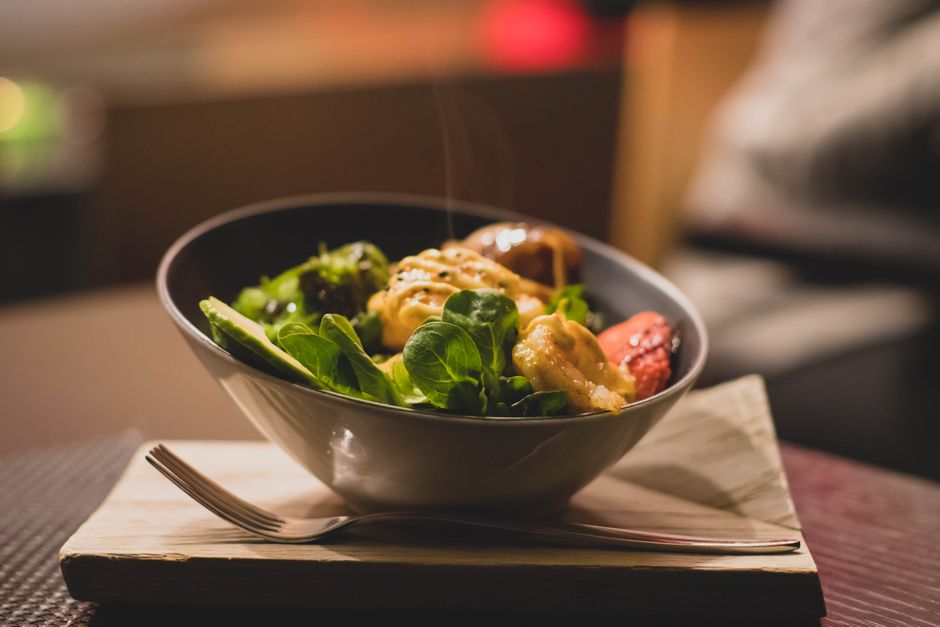
The 5-Ingredient Weeknight Dinner Strategy for Zero-Energy Evenings
Skip 20-step recipes. Use this low-prep 4-part framework to cook healthy meals in 15 minutes.
At the end of a long workday, complex recipes requiring multiple pans and twenty minutes of chopping are non-starters. The temptation to order takeout often stems not from a lack of wanting to eat at home, but from decision fatigue and dish cleanup exhaustion stacking on top of a day that's already used up your patience.
A 5-ingredient weeknight dinner strategy simplifies evening cooking by pairing pantry staples with minimal fresh prep, so getting dinner on the table stops competing with everything else the evening demands of you.
The core framework: protein, grain, green, sauce
 Photo by Michael Burrows via Pexels
Building reliable low-prep meals relies on a predictable template, one you can run through in your head at the grocery store without a recipe in hand:
- Convenient protein: Canned chickpeas, wild salmon, pre-cooked sausage, or eggs, anything that needs minimal handling before it hits heat.
- Quick complex carb: Microwaveable quinoa, farro, instant brown rice, or sourdough, the kind of carb that's ready in the time it takes the protein to cook.
- Low-prep vegetable: Pre-washed arugula, frozen broccoli florets, or cherry tomatoes, nothing that needs peeling, deep washing, or more than a rough chop.
- Flavor booster: Pesto, tahini dressing, chili oil, or lemon zest, the single ingredient that keeps the same four proteins and grains from tasting identical night after night.
Once this template is internalized, grocery shopping gets faster too, you're scanning for four categories, not hunting down a specific recipe's ingredient list.
Three 15-minute 5-ingredient recipes
 Photo by Cristian Mihaila via Pexels
1. Sheet-pan lemon herb salmon and asparagus
Place salmon fillets and trimmed asparagus on a parchment-lined pan. Drizzle with olive oil, lemon juice, salt, and garlic powder. Roast at 400°F (200°C) for 12 to 15 minutes. Serves two with zero pan scrubbing, the parchment paper does the cleanup work for you.
2. Crispy chickpea and spinach tahini bowls
Sauté drained canned chickpeas in a skillet with cumin and smoked paprika until crispy. Toss in two big handfuls of fresh baby spinach until wilted. Serve over pre-cooked grain pouches with a drizzle of store-bought tahini dressing.
3. Pesto egg and tomato flatbreads
Warm whole-grain flatbreads or pita. Spread generously with jarred basil pesto, top with sliced cherry tomatoes and two fried eggs. Finish with freshly cracked black pepper. This one comes together in under ten minutes and works just as well for breakfast-for-dinner nights.
Essential pantry items to keep stocked
 Photo by RDNE Stock project via Pexels
Keep your pantry stocked with long-shelf-life foundation items: canned beans, jarred sauces, frozen vegetables, and quick-cooking grains. When your kitchen has instant building blocks already on hand, healthy home-cooked meals take less time than delivery ever could, waiting time included.
Building a rotating "flavor booster" shelf
Keep three or four jarred sauces in rotation, pesto, chili crisp, tahini, a good vinaigrette, so the same base template of protein, grain, and green can taste like four completely different meals across a week, without needing four different sets of fresh ingredients.
Shopping for the template, not a recipe list
 Photo by Magda Ehlers via Pexels
A recipe-specific grocery list works until you're standing in the store having skipped the recipe. Shopping for the four-part template instead means you can grab whatever protein looks best or is on sale that week, rather than being locked into a specific dish. This flexibility is what actually makes a system sustainable over months, not just for one well-planned week.
A simple weekly stock-up routine
Once a week, check your protein, grain, green, and sauce categories and restock whichever is running low. Because the categories are broad rather than dish-specific, this rarely means an urgent mid-week grocery run, you're maintaining a buffer, not chasing a single missing ingredient.
Making it work with picky eaters or dietary restrictions
 Photo by Nataliya Vaitkevich via Pexels
The four-part template flexes easily around most dietary needs, swap the protein for tofu or tempeh, the grain for cauliflower rice, and the sauce stays largely unaffected either way. For picky eaters, keeping components separate rather than fully mixed (a bowl with distinct sections rather than a single stirred dish) often gets more acceptance than a completely combined recipe, since everyone can build their own plate from the same four ingredients.
Scaling the template up for leftovers
 Photo by August de Richelieu via Pexels
Most of these recipes scale easily to double portions without doubling the effort, a second salmon fillet on the same sheet pan, an extra scoop of chickpeas in the same skillet. The marginal time cost of cooking for four instead of two is minimal once the pan is already out and the oven is already hot, which makes tomorrow's lunch essentially free labor tacked onto tonight's dinner.
Storing and reheating without sacrificing texture
Store components separately when possible, protein, grain, and green in individual containers rather than fully combined, so reheating doesn't turn a crisp element soggy. A quick pan reheat for the protein, a fresh handful of greens added after, keeps day-two leftovers tasting closer to freshly made than a single reheated bowl typically does.
Rotating proteins to avoid template fatigue
 Photo by IARA MELO via Pexels
The four-part template is flexible enough to prevent the "same dinner every night" feeling, but only if the protein genuinely rotates. Keep a mental (or written) list of five or six proteins, salmon, chickpeas, eggs, pre-cooked sausage, canned tuna, tofu, and consciously cycle through them across the week rather than defaulting to whichever is easiest to grab. A little intentional variety here does more for sustained enthusiasm than any new recipe would.
When even 15 minutes feels like too much
 Photo by Anya Dunes via Pexels
On the nights when even a 15-minute template feels unreachable, a "components only" dinner, canned beans straight from the can, pre-washed greens, a hard-boiled egg made in bulk earlier in the week, still counts. The bar for a legitimate dinner on a genuinely depleted night is lower than the bar on a normal one, and treating a components-only plate as a real, sufficient meal (not a failure to cook "properly") is often what keeps the whole system sustainable through the hardest weeks, not just the easy ones.
Getting kids on board with the same four-part meals
Kids often respond better to a template they can partially customize than to a fixed recipe handed to them each night. Presenting the same protein, grain, and green as separate components on the plate, rather than a single mixed dish, lets a picky eater choose their own combination or leave one element aside without the whole meal being rejected. Involving kids in picking the sauce or flavor booster for the week, even just choosing between two jarred options at the store, tends to increase buy-in at the table with very little extra effort.
Adjusting the template for a single person versus a full household
The four-part framework scales down just as easily as it scales up. Cooking for one often means the bigger challenge is variety rather than volume, the same protein used across three or four nights before it goes to waste. Buying proteins in smaller, single-serving formats (individual salmon portions, small cans of beans) rather than family-sized packages reduces the pressure to finish a large quantity before it spoils, and keeps the rotation varied even when cooking for one.
- Stick to a 4-part meal template, protein, grain, green, sauce, to remove decision fatigue.
- Rely on parchment paper sheet pans and single-skillet recipes for minimal cleanup.
- Stock high-protein pantry staples like canned beans, frozen vegetables, and jarred sauces, and restock weekly by category rather than by recipe.
Frequently asked questions
What is the 4-part dinner framework?
Combine a pre-cooked protein, quick complex carb, low-prep vegetable, and flavor booster sauce.