How Many Sheet Sets Do You Actually Need Per Bedroom to Stop Buying Extra Linens
It's 11:47 p.m. on a Tuesday, you've just pulled clean sheets out of the dryer, and now you're standing in front of the linen closet digging through a mismatched pile, hunting for a top sheet and pillowcase that actually belong together. You tell yourself the fix is one more spare set. That's the trap, the problem was never a shortage of sheets, it was never having a system for the ones you already own.
How many sheet sets you actually need per bedroom has a specific answer, and it's smaller than most linen closets suggest: two.
The two-set rule, and why it works
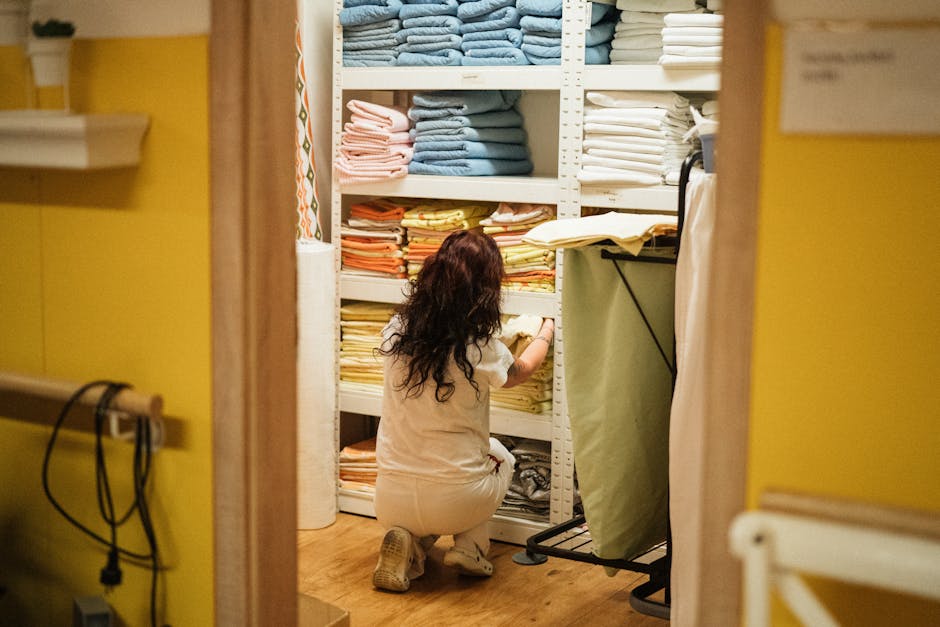 Photo by Jsme MILA via Pexels
One set stays on the mattress. The other sits folded in the closet as the clean spare. When the set on the bed needs washing, you swap it for the spare and start the laundry, no gap, no scramble, no guessing which pillowcase matches which duvet.
Owning more than two sets per bed feels like insurance, but it rarely functions that way in practice:
- A "guest room backup" usually just becomes a third set nobody rotates.
- An "allergy spare" solves a problem the two-set rotation already solves.
- A "seasonal swap" (flannel in winter, cotton in summer) is the one legitimate reason for a third set, everything else is overstock.
Two sets also removes a small but real source of daily decision fatigue: you stop standing in front of the closet trying to remember which pattern goes with which duvet cover, because there's only ever one option in play at a time.
What overbuying sheets actually costs
 Photo by Red Nguyen via Pexels
Money
Even a mid-range set isn't cheap, and every set beyond the two you actually rotate is money sitting in a closet instead of going toward something you'd use.
Space
A linen shelf only holds so many folded sets comfortably. Overfill it and stacks topple, and every time you open the closet you're straightening a pile before you can find what you actually need, a small, recurring tax on your patience.
Time
Every extra set means another item to fold, another hunt for a matching pillowcase, another chance to grab the wrong size in a hurry. None of these costs is dramatic on its own. Together, they're the difference between a closet that works and one that quietly drains you every laundry day.
The weave name that matters more than thread count
 Photo by Ron Lach via Pexels
Thread count gets marketed as the shorthand for quality, but the number alone says very little about how a sheet will actually feel or wear. An 800-thread-count sheet made from low-grade, thin yarns can feel stiff and pill within months. A 300-count sheet made from long-staple cotton can outlast it by years. What actually predicts comfort and durability is the weave.
Percale
A plain, one-over-one-under weave that produces a crisp, matte finish. It breathes well, resists pilling, and gets softer with every wash, the closest thing to the classic hotel-sheet feel.
Sateen
A weave with more threads running on the surface, giving it a subtle sheen and a silkier hand-feel. It's warmer than percale, which makes it better suited to cooler climates or colder sleepers.
Linen
More textured and relaxed than either cotton weave, and genuinely excellent in hot, humid climates because it wicks moisture and only gets softer with age.
Building your two-set rotation without overbuying again
 Photo by RDNE Stock project via Pexels
1. Audit before you buy anything new
Empty the linen shelf, group sets by size and weave, and count how many complete sets exist per bed. Anything beyond two per bed gets donated or repurposed, not stored "just in case."
2. Label sets A and B
When you strip the bed, the used set goes straight into the laundry and Set B goes on the mattress. Once Set A is washed and folded, it becomes the new spare. Alternating this way means neither set sits unused for long and you're never hunting for a match.
3. Learn the 20-second fitted-sheet fold
Hold two adjacent corners, elastic edges facing you, and bring your hands together so one corner tucks over the other. Slide down to the remaining two corners, lift, and tuck those over the first pair to form a rectangle. Fold that rectangle into thirds. A tidy fold is what makes a two-set system feel effortless instead of chaotic on the shelf.
What to actually look for when you buy a replacement set
 Photo by SHVETS production via Pexels
Once you've committed to two sets per bed, the goal shifts from "buying more" to "buying better," since each set now has to earn its place on the shelf.
Fiber matters as much as weave
Long-staple cotton (Egyptian, Pima, or Supima) uses longer individual fibers that resist pilling and get softer over years of washing, regardless of which weave they're woven into. Short-staple cotton, even at a high thread count, tends to shed fuzz and thin out within a couple of seasons.
Check the finishing, not just the label
Run the fabric between your fingers before buying. A quality percale should feel crisp but not papery; a quality sateen should feel smooth without a plasticky sheen. Sheets that feel slick or unusually shiny in-store are often synthetic-blend, which sleeps hotter and pills faster than natural fiber.
Buy the actual size you need
A surprising share of "extra" sheets in closets are simply the wrong size, a full-size set bought for what turned out to be a queen mattress, kept because returning it felt like a hassle. Measure the mattress, including its depth for the fitted sheet's pocket, before replacing anything.
When a third set actually makes sense
 Photo by Diana ✨ via Pexels
The two-set rule has exactly one legitimate exception: a genuine seasonal swap, like a warmer flannel set for winter and a lighter percale set for summer. That's not overstock, it's two separate two-set rotations, one per season, with the off-season set stored elsewhere until it's needed. The distinction that matters is intent: a seasonal set gets used for months at a time, while an "extra" set sits untouched because no one has a plan for it.
If you're unsure whether a set in your closet is a seasonal keeper or simply overstock, ask when you last used it. Anything unused for more than a year, regardless of the reason it was bought, is a donation candidate.
Where to donate the sets you're letting go
Sheets in good condition rarely qualify for standard clothing donation bins, but they're genuinely useful elsewhere. Local animal shelters almost always need clean linens for bedding, and many accept sheets that are too worn or stained for a thrift store to resell. Thrift stores and shelters serving people experiencing homelessness are the next best option for sets still in solid shape. Whichever route you choose, the point is the same: getting excess linens out of the closet for good, rather than reorganizing them into a neater pile you'll still never use.
Applying the same logic to towels and pillowcases
The two-set principle isn't unique to bed sheets, the same overbuying pattern shows up in bath towels and spare pillowcases. A reasonable target is two to three bath towels per household member, plus one or two hand towels per bathroom, rotated the same way as sheets: one in use, one clean and ready. Pillowcases are the easiest of all to overbuy, since they're cheap and often sold separately from full sets, a strict rule of two per pillow, matched to your two sheet sets, keeps that drawer from becoming its own miniature version of the same clutter problem. Once you've applied the same two-set logic across sheets, towels, and pillowcases, the entire linen closet becomes something you can audit in under five minutes, instead of a shelf you avoid opening because you're never quite sure what's actually in there.
- Two complete sets per bed is enough, a third only makes sense for a genuine seasonal swap.
- Overbuying quietly costs money, shelf space, and folding time, not just closet clutter.
- Choose sheets by weave name and fiber (percale, sateen, linen, long-staple cotton), not by thread count alone.
Frequently asked questions
How many sheet sets do I need for a guest room?
Two complete sets work just as well for a guest room as for a master bedroom. Keep one set on the bed and the other folded in the closet, and rotate them the same way you would any other bed.
What weave should I look for in durable, breathable sheets?
Percale is prized for durability and breathability, the plain weave allows air to flow, resists pilling, and softens after each wash. Sateen offers a smoother, slightly glossy feel but traps a bit more heat, and linen is excellent for hot climates.
Why is thread count misleading when buying sheets?
Thread count only measures how many threads fit in a square inch, not their quality. Manufacturers can twist thin threads together to inflate the number, producing a sheet that feels stiff or pills quickly despite a high count.
How do I fold a fitted sheet quickly?
Hold two adjacent corners with elastic edges facing you, bring your hands together to tuck one corner over the other, then grab the remaining two corners and tuck them over the first pair to form a rectangle, then fold into thirds.
How do I do a linen closet audit to avoid duplicate purchases?
Empty the shelf, group items by size and weave, and count complete sets per bed. Anything beyond two sets per bed should be donated, and note the retained sets' weave and size so future purchases actually match what you own.