The One Packing Method That Actually Prevents Wrinkled Clothes
Rolling clothes is the packing advice everyone repeats, but it doesn't fix the actual cause of travel wrinkles for anything structured.
Rolling clothes is the packing tip that gets repeated the most, and it works well for exactly one category of clothing: soft knits that don't hold a crease in the first place. The actual cause of a wrinkled blazer or dress shirt after a flight is a sharp fold line held under pressure for hours, and rolling a structured garment still creates that fold — it just makes the fold tighter. The fix isn't a different way to compress the same fold. It's a method that avoids creating one.
Why rolling doesn't solve the real problem
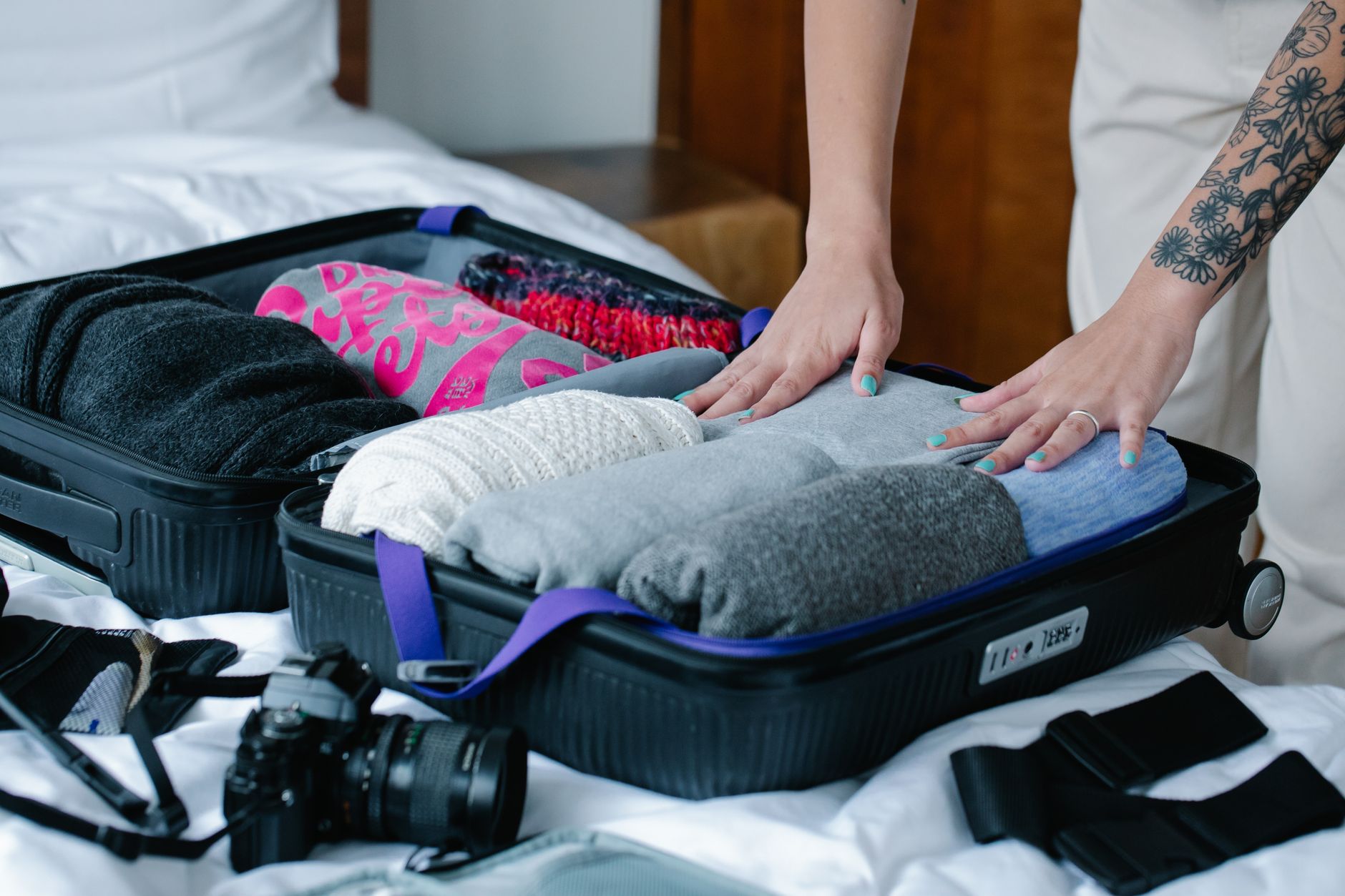 Photo by Timur Weber via Pexels
A wrinkle forms where fabric fibers get compressed at a sharp angle and held there — the tighter the angle and the longer the pressure, the more stubborn the crease. Rolling a soft t-shirt barely creates that kind of sharp angle, which is why rolling works fine for knits. Rolling a structured shirt or blazer still folds the fabric against itself somewhere inside the roll, and being wrapped tightly with a suitcase's weight on top of it for the length of a flight is close to ideal conditions for setting a permanent crease.
What bundle wrapping actually does differently
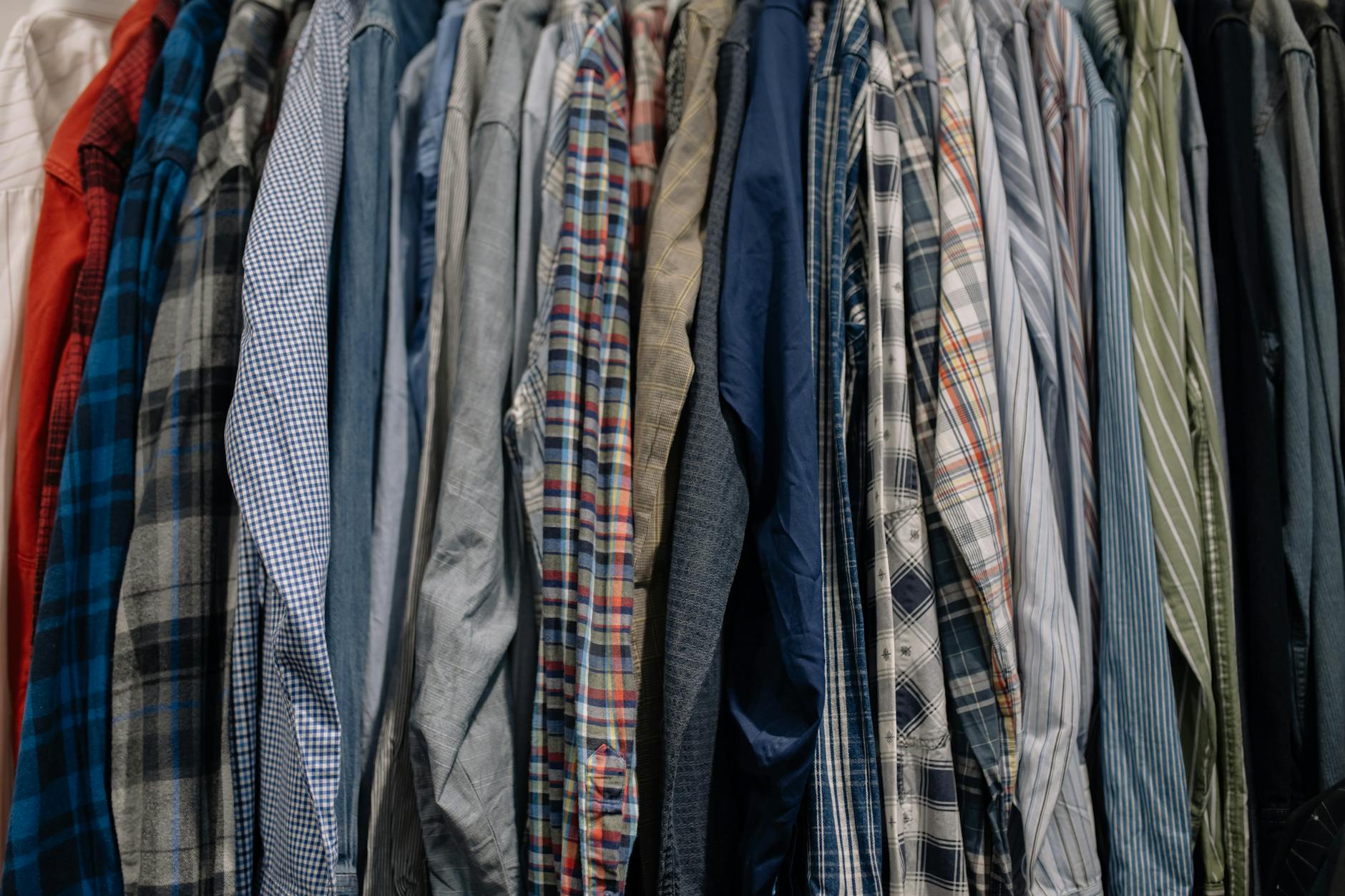 Photo by cottonbro studio via Pexels
Bundle wrapping (sometimes called the ranger roll) starts with a soft core — a packing pouch, a rolled sweater, a shoe bag — placed in the center of the suitcase. Structured garments are laid out flat, largest first, and wrapped around that core in layers, each one draped over the last rather than folded against itself. The result has curves instead of sharp folds, so pressure from the suitcase closing gets distributed across a rounded surface instead of concentrated along one hard line. No fold line, no crease to set.
Setting it up step by step
Lay the largest structured item (a blazer or dress) flat, sleeves out, with the body draped across the packing area. Place the core — the pouch or rolled soft item — in the center of that garment, then fold the garment's sides and ends over the core, smoothing as you go rather than pressing a hard edge. Add the next garment on top, repeating the same wrap, each layer slightly smaller than the last, working down to smaller pieces like dress shirts last. The finished bundle goes into the suitcase as one unit, ideally the first thing packed so nothing else compresses it unevenly.
- Rolling works well for soft knits but doesn't remove the sharp fold line that causes creasing in structured fabric — it just tightens it.
- Bundle wrapping layers structured garments around a soft core so pressure lands on a curve instead of a fold, which is what actually prevents the crease.
- Not every item needs this — knits and wrinkle-resistant fabric are fine rolled or folded flat; bundle wrapping matters most for blazers, dress shirts, and linen.
Which fabrics need this and which don't
 Photo by Ron Lach via Pexels
Bundle wrapping takes longer than rolling, so it's worth reserving for the garments where it actually matters: blazers, structured dresses, dress shirts, and linen, which show every crease within minutes of being unpacked. Knit tops, athleisure, and jeans hold up fine rolled, and folding flat works for anything going into a drawer rather than a hanging closet at the destination. Mixing methods in one suitcase — bundle wrap the structured pieces, roll everything else — is faster than applying either method to the whole bag.
What still needs a steamer or garment bag
Bundle wrapping reduces wrinkles significantly but doesn't guarantee a garment comes out perfectly crease-free, especially after a long flight or a fully packed bag. A travel steamer run for two or three minutes on arrival handles what the method doesn't fully prevent, and it's far faster than ironing. For a single item that absolutely can't wrinkle — a suit for a same-day meeting — a garment bag carried on and hung, rather than packed at all, is still the more reliable option than any folding method.
Packing the rest of the bag around it
Once the bundle is in place, everything else — shoes, toiletries, packing cubes for underwear and accessories — packs around it rather than on top pressing down. Keeping the bundle near the bottom or side of the suitcase, away from where a heavy item might get set during a bag check or overhead-bin shuffle, protects the wrap from getting crushed out of shape before it even reaches the destination.
Frequently asked questions
Does rolling clothes actually prevent wrinkles?
Rolling reduces wrinkles for soft, knit fabrics like t-shirts and workout gear, but it doesn't solve the real cause of wrinkles in structured fabric — sharp fold lines held under pressure for hours. A rolled blazer or dress shirt still has folds inside the roll; they're just tighter, which can make creasing worse, not better.
What is the bundle wrapping packing method?
Bundle wrapping (also called the ranger roll or burrito method in some versions) layers structured garments around a soft central core — a pouch, folded sweater, or shoe bag — wrapping each item around that core instead of folding it against itself. Without a sharp fold line, there's nothing for a hard crease to form along.
Which clothes actually need bundle wrapping instead of rolling?
Structured pieces: blazers, dress shirts, linen, and anything tailored. Knits, t-shirts, workout clothes, and anything already wrinkle-resistant do fine rolled or even folded flat — bundle wrapping mainly matters for the garments a hard crease actually shows up on.
Do packing cubes prevent wrinkles on their own?
Packing cubes organize a suitcase, but they don't address how a garment is folded inside them — a badly folded shirt compressed into a cube wrinkles the same as one compressed anywhere else. Cubes work well alongside bundle wrapping, not as a replacement for it.