Why Your Spice Cabinet Is Costing You Money Every Week
Most households don't have a spice problem. They have a visibility problem, and it shows up as the third jar of cumin on the shelf.
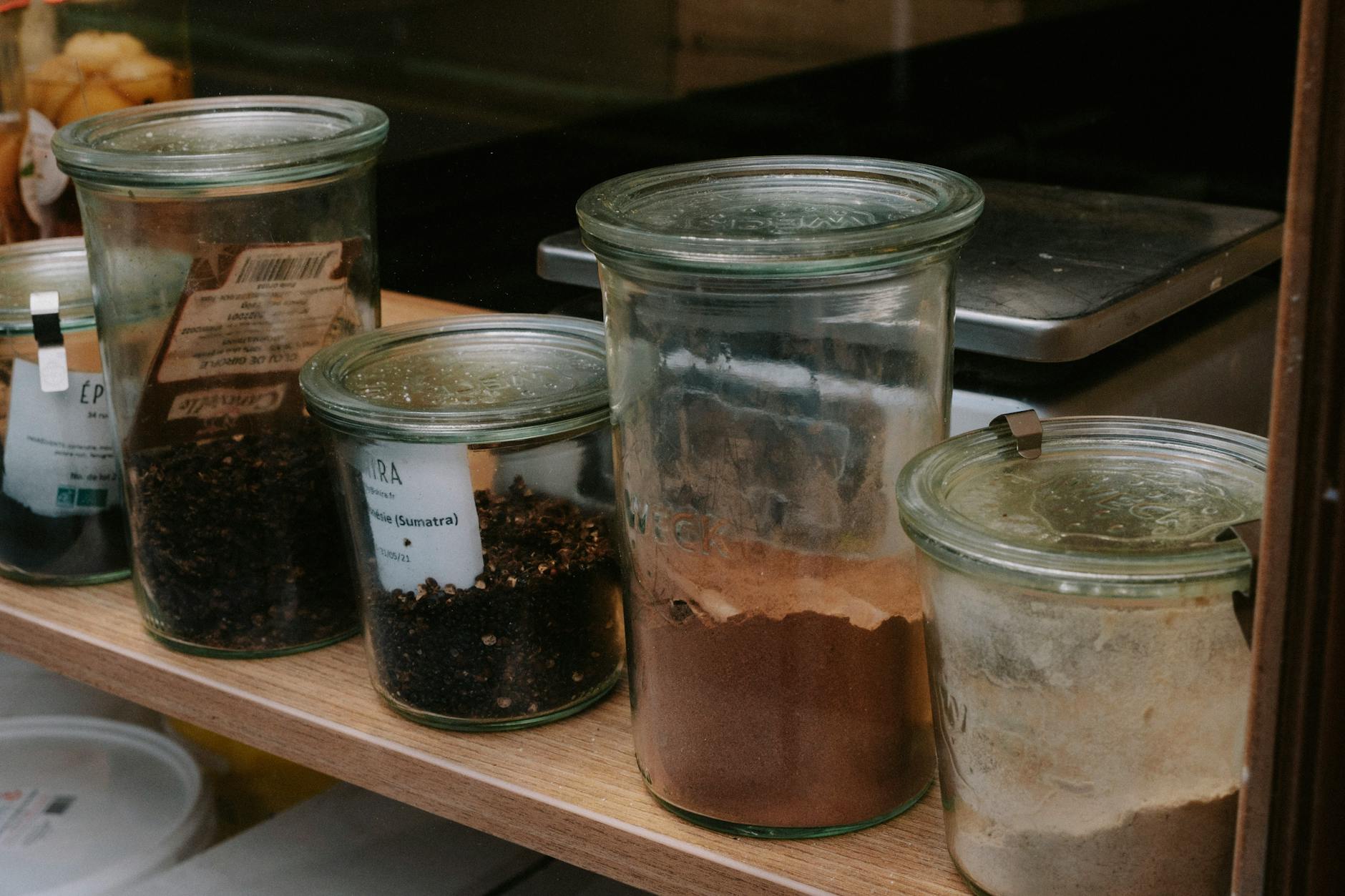
Open your spice cabinet and count the jars of cumin, paprika, or oregano. If you find two or three of the same thing, you're in good company. Duplicate spices aren't a cooking problem, they're a visibility problem: you can't see what you own, so you buy it again. Each repeat purchase is small, but they add up quietly, week after week, and the old jar still sits there going flat.
Why spices are so easy to over-buy
A spice costs a few dollars, which is exactly why nobody tracks it. You're in the store, a recipe calls for smoked paprika, and you can't remember whether you have any. Buying another jar is cheaper than the risk of getting home without it. Multiply that by every recipe you try, and the cabinet fills with half-used jars, many of them doubles.
The container design makes it worse. Most spices come in similar-looking jars that stack two or three deep, so whatever is in the back row is effectively invisible. If you can't see it when you open the door, it doesn't exist as far as your shopping list is concerned.
The hidden cost of forgotten jars
The money isn't only in the duplicates. It's in the spices that expire before you ever finish them. Ground spices lose aroma and flavor gradually, and a jar bought for one recipe can sit for years. You've paid for flavor that never reached a plate.
There's a quieter cost too: weak spices make you cook worse. When your cumin is faded, you add extra, or you decide the dish tastes flat and reach for more salt instead. A smaller, fresher collection usually does more for your cooking than a bigger, older one.
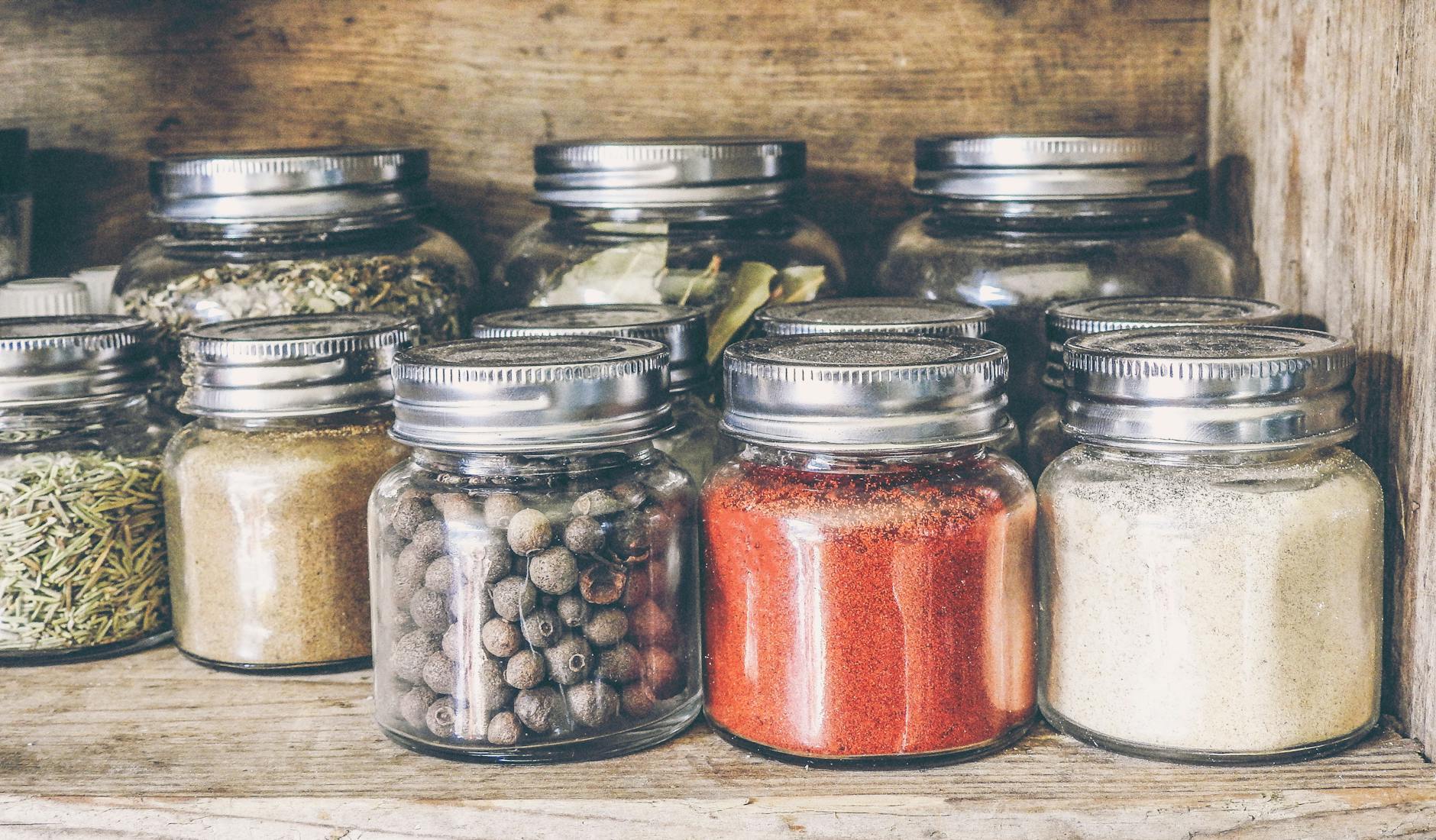 Photo by monicore via Pexels
Start with a ten-minute audit
Before you buy or organize anything, pull every spice out and put it on the counter. This is the step that feels like a chore and does most of the work, because for the first time you can see everything at once.
Sort into three piles as you go:
- Keep: jars you recognize, use, and that still smell strong.
- Duplicates: same spice, multiple jars. Combine them into one container if the older jar still smells good.
- Toss: anything faint, clumpy, or so old you can't remember buying it.
Be a little ruthless with the third pile. A jar you wouldn't trust in a recipe tomorrow is taking up space and giving you false confidence that you're stocked.
Store them flat so you can see every label
Here's the storage change that fixes the root problem: stop stacking and start laying jars flat in a shallow drawer, with the label facing up. When you open the drawer, you see every spice in a single glance, no digging, no lifting jars out to read the bottom.
If you don't have a drawer, a shallow cabinet shelf works with a small tray or a riser so nothing hides behind anything else. The rule is one layer deep. The moment a jar can hide behind another jar, you're back to buying duplicates.
Write the spice name on the lid with a marker or a label if the jar's own label is on the side. That small detail is what makes a flat-lay drawer fast to scan.
The 12-spice core list
Most home cooks lean on a small group of spices for the vast majority of what they make. Rather than owning forty and using five, build around a core list and add to it only when a recipe truly demands something new. A practical dozen:
- Black pepper (whole, with a grinder)
- Salt, plus one finishing salt
- Ground cumin
- Paprika (sweet or smoked, whichever you cook with more)
- Chili flakes or chili powder
- Garlic powder
- Onion powder
- Dried oregano
- Ground cinnamon
- Ground turmeric
- Dried thyme or Italian seasoning
- Bay leaves
Swap items to fit how you actually cook. If you make a lot of curries, move coriander and garam masala up. If you bake often, vanilla and nutmeg earn a spot. The point isn't this exact list. It's that you decide what's core on purpose.
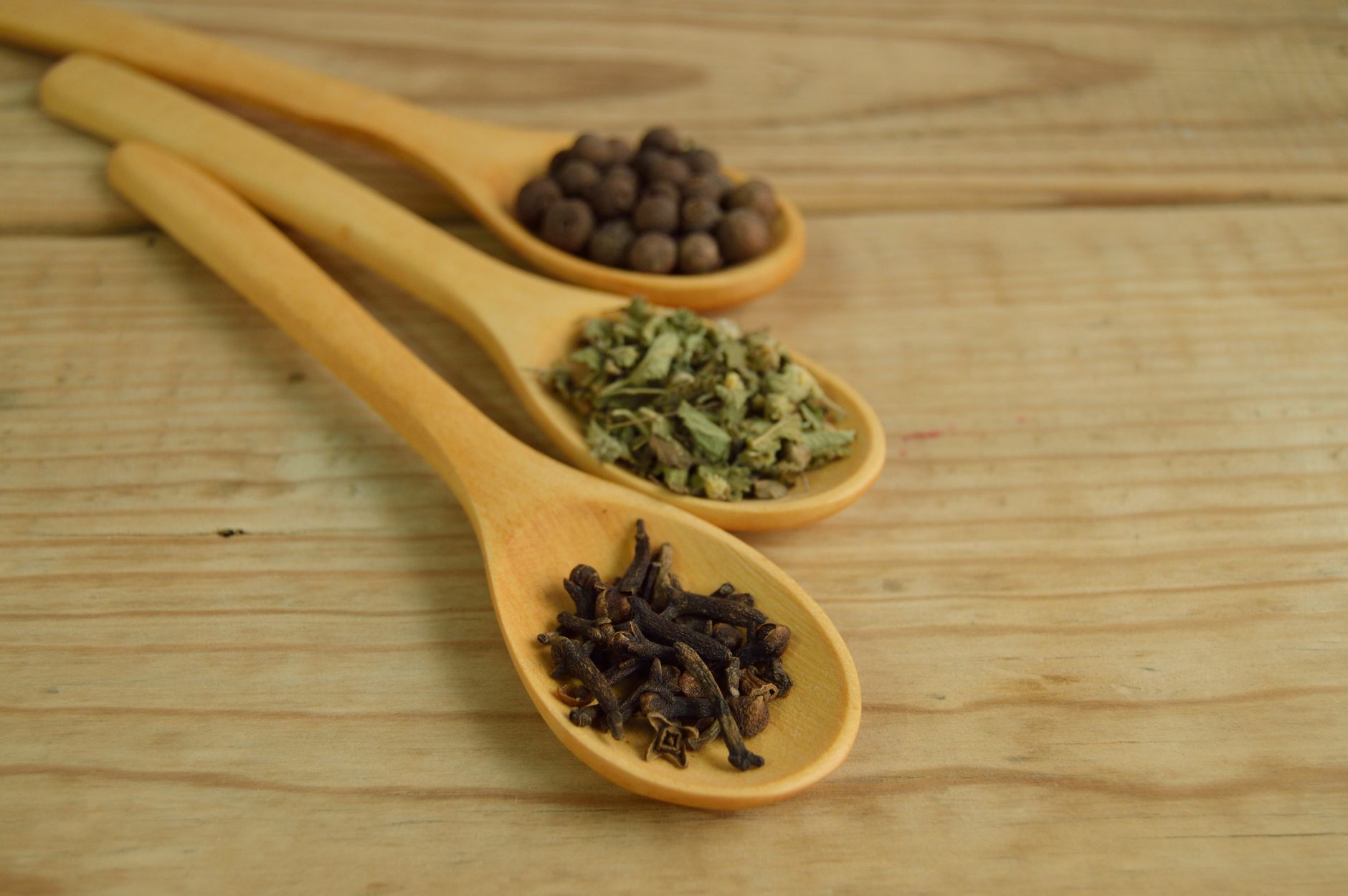 Photo by Miguel Á. Padriñán via Pexels
- You can't stop buying duplicates until you can see everything you own at a glance.
- A flat, one-layer-deep drawer with labels facing up beats any stacked shelf.
- A deliberate core list of about a dozen spices covers most everyday cooking.
What to do with the one-recipe spices
Every cabinet has them: the jar of something exotic bought for a single dish. Before you buy the next one, ask whether you'd cook that dish again. If yes, keep the jar and note the dish on the lid. If no, treat it as a one-off and don't restock.
For future recipes, consider buying a tiny amount instead of a full jar. Bulk bins, refill shops, and the small bags in the international aisle often let you buy a tablespoon's worth for pennies. You get the flavor for the recipe without committing shelf space for the next five years.
Buy fewer, buy fresher
Once the cabinet is in order, the buying rule gets simple. Check the drawer before you shop. If a spice is running low, add it to the list. If it isn't on the list, you don't need it, no matter what the recipe in front of you says in the moment.
Where you can, favor whole spices for the ones you use less often, like cumin seed, peppercorns, and cinnamon sticks. They hold their aroma longer, and you can grind just what you need. Keep the ground versions for the spices you go through quickly.
A five-minute habit that keeps it from creeping back
The audit is a one-time job. What keeps the savings coming is a tiny recurring check. Once a month, or whenever you restock groceries, open the drawer and scan it. Smell anything that looks old. Move jars that are nearly empty to the front of your shopping list.
If a new spice comes in, one goes out or gets used up first. You don't need a spreadsheet or an app. You need a single layer of labels you can read in two seconds, and the habit of looking before you buy.
Frequently asked questions
How do I know if a spice is too old to use?
Smell it. Rub a pinch between your fingers and sniff. If the aroma is faint or dusty, the flavor will be too. Old spices are rarely unsafe, they're just weak, which means you end up adding more to get the same taste. Whole spices like peppercorns and cinnamon sticks hold their aroma longer than ground ones.
Is it cheaper to buy spices in bulk?
Only for the ones you use fast. Bulk bins and refill bags usually cost less per ounce than small branded jars, but a big bag of something you use twice a year goes stale before you finish it. Buy bulk for your core list and small amounts for everything else.
Should I store spices above the stove?
It's convenient, but heat, steam, and light are what dull spices fastest. A drawer or a cabinet away from the cooktop keeps them tasting fresher for longer. If you want something within reach while cooking, keep only your two or three daily spices near the stove.
What should I do with spices I'll never use?
Be honest about the ones from a single recipe you made once. If they're still fresh, offer them to a friend or a neighbor who cooks, or check whether a local community fridge or pantry accepts sealed jars. If they're stale, toss them and don't replace them until a recipe actually calls for it.